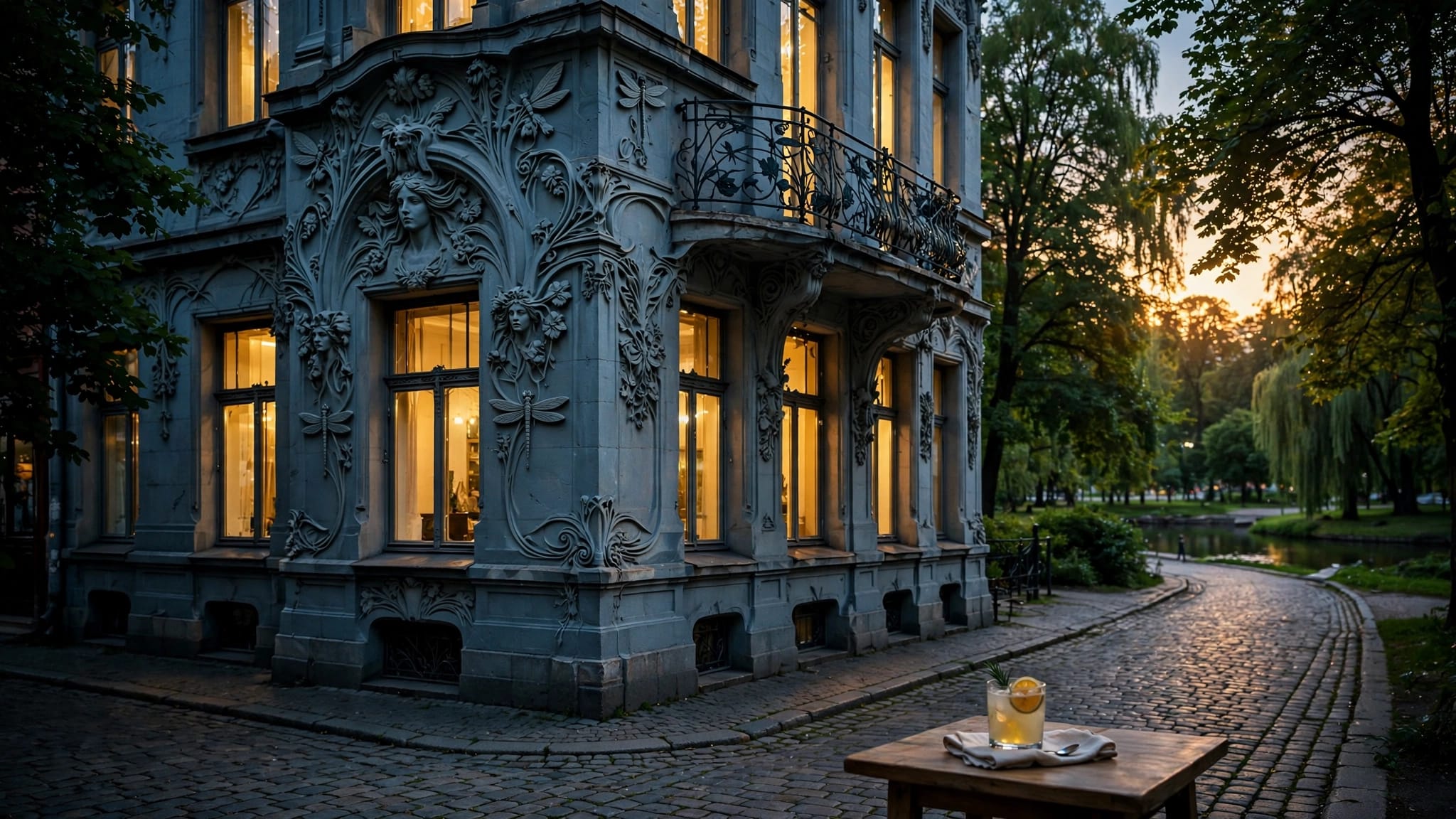
Riga, the Latvian capital, makes an easy short break in the Baltic States, with a compact historic center and walkable Old Town. Grand facades, forest-green parks, old merchant streets, and a serious bar scene all land better when the plan has breathing room.
If you want to extend the trip north, my Tallinn itinerary covers saunas, design, and dinner across three days in Estonia’s capital.
This Riga itinerary is built for three full days with real texture: Art Nouveau details, market breakfasts, Latvian history, proper cocktail stops, and neighborhood-level exploration. You won’t need to sprint across town or collect every museum ticket.
Keep your routes tight, save your feet for the evening, and let Riga introduce itself properly.
Key Takeaways
- Base yourself in Centrs or just outside the busiest part of Vecrīga to keep Old Town, Art Nouveau streets, cocktail bars, and evening walks within easy reach.
- Spend day one exploring Old Town and the canal parks, day two giving the Art Nouveau district a full morning, and day three combining Central Market with Latvia’s complex 20th-century history.
- Build the itinerary around walking in the connected center, using trams, buses, or Bolt for longer gaps such as the trip to Āgenskalns or a late return after drinks.
- Reserve your hotel, one important dinner, and a popular Friday or Saturday cocktail bar, but keep markets, parks, casual lunches, and neighborhood walks flexible.
- Leave breathing room in every evening. Riga is best experienced through one strong cocktail room, an unplanned river walk, and enough time to return somewhere you liked.
Start With the Right Base in Riga
Three days is the sweet spot for Riga. You can see the Old Town, spend real time in the Art Nouveau district, understand the city’s complicated 20th-century history, and still have a night that isn’t rushed.
Stay in Centrs, between the Old Town and the Art Nouveau streets, if architecture and cocktail bars are the point. Vecrīga works for a first visit and keeps landmark walks close, but the busiest Old Town lanes can get loud after dark. Look for a hotel a few blocks outside the bar-heavy core, not directly above it.
A cheaper room far from your dinner plans often stops being cheap after the third late ride home.
Get in without turning arrival into a project
Bus No. 22 is the clean public option from Riga International Airport. The stop is listed in the P1 car park, between arrivals exits E and C, and the trip to central Riga takes around 40 minutes. Check Riga Airport’s public transport information before you land for the current stop location, timetable, ticket process, and fare.
A Bolt is the better call for a late arrival, heavy luggage, a group splitting the fare, or a hotel away from the bus route. Save your hotel address offline before takeoff. Small friction adds up after a flight.
Walk the connected pieces, ride the long gaps
Riga is compact, and much of the center is easy to walk. Don’t crisscross the city without a plan.
Walk the connected route from St. Peter’s Church through the canal parks, Centrs, and the Art Nouveau district. Āgenskalns is a longer connection, so plan that ride instead of forcing the walk. Use a tram, bus, or car service for the journey, including a late return after drinks.
The best version of Riga happens at street level. Trams and buses should handle planned long gaps, not short central hops.
Day One: Old Town, River Light, and Black Balsam
Make your first morning a self-guided Old Town walking tour, focused on orientation rather than museum fatigue. Vecrīga is small enough to explore on foot, but its cobblestone streets call for supportive shoes before crowds arrive.
Start around Town Hall Square with the House of the Blackheads. The original guild building dates to the 14th century, though today’s structure is a reconstruction following World War II destruction. Its red-brick facade and ornate gables set the tone for a city that refuses to do plain.
Follow an Old Town route that doesn’t double back
From there, pass St. Peter’s Church, then continue to the Three Brothers on Maza Pils iela. The Cat House is worth a quick look if its facade catches your eye, but don’t backtrack for it.
To add a tower view, verify current tower access and ticketing at St. Peter’s Church before setting out. From the Cat House, walk toward the Freedom Monument through Bastejkalna Park. The canal, bridges, and tree-lined paths are a welcome reset after Old Town’s close-set streets. Riga’s top sights guide is useful for checking current access to major landmarks, especially if you want to add a tower view.
Grab lunch around the center’s edge rather than on the most obvious square. Rye bread, smoked fish, seasonal vegetables, and piragi, the small baked pastries often filled with bacon and onion, are useful introductions to local cuisine.
Make the first night easy
Don’t schedule a big dinner at 6:00 p.m. if you want to catch the city in its best light. Take a break at your hotel, then return to the center when the facades start warming up and the streets lose their daytime urgency.
Black Magic Bar, at Kalku iela 10, is the right first drink stop. It has a theatrical old-pharmacy mood, dark wood, chocolate, and a connection to Riga Black Balsam, Latvia’s herbal liqueur. Order from the menu, ask about tasting sizes, and choose a tasting or cocktail if you’re curious. It isn’t subtle, but that’s the fun of it.
Keep dinner nearby and consider Lido Alus Seta for a casual, unfussy Latvian meal. Confirm current hours and whether reservations are accepted, then decide whether the night needs one more drink. You don’t need a six-bar crawl on night one. Riga is better when you leave room to return somewhere you liked.
Day Two: Art Nouveau Riga, Done Properly
The city’s Art Nouveau architecture isn’t a quick photo stop. It is a whole visual language: carved faces, peacocks, florals, muscular figures, impossible doorways, and facades that make an ordinary walk feel cinematic.
The best Riga itinerary gives this part of town a full morning and an unhurried lunch. Start in the Quiet Centre, north of the canal, while the sidewalks are still calm.
Alberta Street Is Only the Beginning
Alberta Street (Alberta iela) is the headline street, and it deserves your attention. Look closely at the buildings instead of rushing from one entrance to the next. Mikhail Eisenstein’s dramatic facades, including the famous buildings at 2a and 4, are the showpieces.
Then continue along Elizabetes iela and Strelnieku iela. The contrast matters. Some buildings are wildly decorative, while others feel more restrained and geometric.
The Riga Art Nouveau Centre at Alberta iela 12 offers the interior side of the story, inside a restored early-20th-century apartment. Street viewing is flexible, but museum visits depend on current opening days and hours, admission, and any timed-entry requirements. Riga’s tourism office also highlights the museum and its celebrated staircase in its Art Nouveau district overview.

Photo by Alex Does Pictures
Let lunch stretch out
This is the day for a long lunch in Centrs. Find a place with Latvian ingredients and a concise menu instead of chasing a formal tasting experience because a guide told you to. Rye, mushrooms, dairy, dill, pickles, and local fish show up repeatedly for a reason.
After lunch, walk south through the parks toward the Latvian National Museum of Art. You don’t have to go inside unless Latvian painting is the point. For many travelers, the building and surrounding streets are enough.
Give yourself an hour at the hotel before the evening. Great nights need a reset.
Riga Cocktail Bars With a Point of View
A cocktail bar should match the mood of the night. Some rooms work for a quick first drink. Others are where you settle in, order again, and stop checking the time.
Start in Centrs, where the better cocktail-focused rooms sit close enough together that you can move by foot. Gimlet Nordic Cocktail Bar on Baznicas iela is a strong choice for a more composed, ingredient-driven drink. Check current hours, and consider booking Friday or Saturday, though reservations aren’t automatically essential on quieter nights. Bar seating is often easier for walk-ins.
Build the night around one strong room
Have dinner before your main cocktail stop. Riga runs late enough, but nobody has more fun making decisions on an empty stomach.
Arrive on time for a booking. Order from the menu before requesting substitutions. A serious cocktail room rewards a slower pace, so don’t treat it like a rapid bar crawl.
For a polished view, Herbārijs at Dzirnavu iela 67 offers a rooftop setting and often later hours. Reserve a rooftop table, or choose the bar for a casual drink, but check whether the rooftop operates in the shoulder season. Weather can cancel outdoor plans, especially when summer rain rolls in.
If you don’t want another cocktail, follow the energy around Miera iela for craft beer. Name a venue only after checking its current beer list and opening status. You can also return to the Old Town for a final glass; the right move depends on the night, not the spreadsheet.
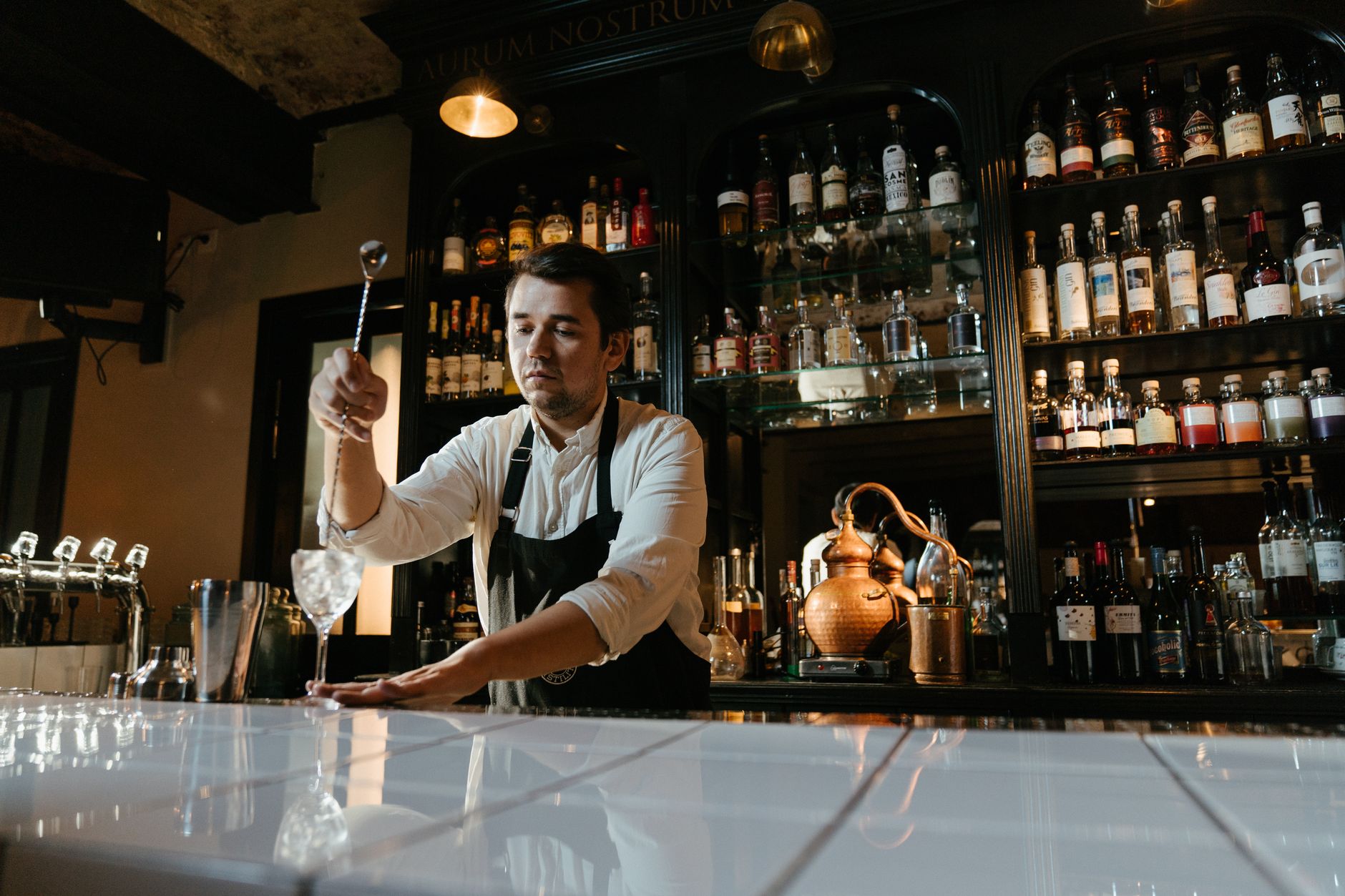
Photo by cottonbro studio
Day Three: Riga Central Market, History, and the Museum of the Occupation
Your final day needs contrast. Start at the market beside Central Station, follow the riverfront, then give Latvia’s history the attention it deserves.
The market occupies former Zeppelin hangars beside Central Station, and it works best as a working market, not a sightseeing prop. Check current opening days and the best arrival time before you go.
Breakfast can stay flexible, but confirm any specific tour or special meal in advance.
Eat your way through Riga Central Market
You’ll find smoked fish, cheeses, seasonal berries, pickled vegetables, honey, pastries, and more meat counters than you may be prepared for at 10:00 a.m. The pleasure is in the pace, the sensory overload, and the glimpse of local cuisine.
Buy a few things, find a simple coffee, and don’t over-order. Breakfast is flexible, so this isn’t a food challenge.
Then walk toward the Daugava River and take in the skyline. St. Peter’s Church makes a useful reference point from the river route.
The Latvian Academy of Sciences offers an optional observation deck or exterior viewpoint, but check current access before planning around it.
If the weather is good, continue to Āgenskalns for a slower residential feel, older wooden houses, and less tourist pressure. Walking is pleasant, but a tram, bus, or Bolt makes the longer trip easier.
Āgenskalns is optional, and you don’t need to cross the river if the central route suits you better. If you go, return to the center for the history stops.
Give the Museum of Occupation your full attention
The Museum of the Occupation of Latvia is not a quick detour between lunch and cocktails. It covers the Nazi and Soviet occupations of Latvia from 1940 to 1991, giving context to much of what you have seen around the city.
Travelers interested in Latvian history should treat it as an essential time commitment, not a filler stop. Choose the main exhibition and allow enough time to take it in without rushing.
The museum’s current visitor information is the place to confirm admission, tours, and opening times before you go.
If you still have time, Corner House is an optional additional history stop. Verify its current visitor information before adding it to the day.
One serious museum a day is culture. Three serious museums a day is cardio.
Finish with an unplanned walk by the river or an early dinner in the neighborhood that felt most like your version of Riga. That could mean returning to Old Town’s brick-and-spires energy, enjoying Centrs’s architectural drama, or continuing across the river for a laid-back pace.
Reservations, Weather, and the Details That Matter
Riga handles a spontaneous weekend well, but a few bookings should happen before you arrive. Reserve your hotel early for summer weekends and holidays, then book one important dinner and a popular Friday or Saturday cocktail bar. Market visits, neighborhood walks, parks, and casual lunches can usually stay flexible.
Before you go, confirm current venue hours, seasonal rooftop operations, holiday closures, live music schedules, and transport information through official sources.
Summer brings long evenings and outdoor tables, but terraces and high-demand bars still benefit from reservations. Autumn gives you moody parks and cooler walks. Winter can be beautiful, especially around the holiday markets, but it rewards a tighter schedule, more indoor stops, and shorter outdoor walking periods.
Plan around your actual nights
If live music matters, check current listings before locking in dinner. A show at a small venue changes the shape of the evening. Eat nearby, arrive early enough to settle in, and keep a bar within walking distance for after.
The same thinking works for a birthday weekend or a group trip. Make the hard commitments first, then build the food, architecture, and drinks around them.
For travelers who want every reservation, transfer, backup plan, and late-night option handled with real intention, tailored restaurant and nightlife planning is an optional service that can turn a good city break into a trip that feels completely yours.
Frequently Asked Questions
Is three days enough for Riga?
Three full days is an excellent amount of time for a first visit. It gives you room for Old Town, the Art Nouveau district, Central Market, Latvian history, and a proper evening without turning the trip into a checklist.
Where should I stay in Riga?
Centrs is the most balanced base for this itinerary, placing you between Old Town, the Art Nouveau district, and many cocktail bars. Vecrīga is convenient for a first visit, but choose a hotel a few blocks away from the busiest bar-heavy lanes if you want quieter nights.
What is the best way to get around Riga?
Much of central Riga is easiest to explore on foot, especially the route from St. Peter’s Church through the canal parks and Art Nouveau district. Use a tram, bus, or Bolt for longer connections such as Āgenskalns, airport transfers, or late-night rides home.
Do I need reservations for Riga’s restaurants and cocktail bars?
Book your hotel early for summer weekends and holidays, along with one important dinner and a popular Friday or Saturday cocktail bar. Casual lunches, market visits, and most neighborhood walks can usually remain flexible, but always check current hours and seasonal operations.
What should I not miss in Riga?
The Art Nouveau streets around Alberta iela, Riga Central Market, the Museum of the Occupation of Latvia, and a thoughtful cocktail stop are the itinerary’s defining experiences. Leave time for the canal parks, the Daugava riverfront, and the facades that make an ordinary walk feel cinematic.
The Riga You Will Remember
The strongest Riga itinerary isn’t a race through Old Town landmarks, including St. Peter’s Church, followed by a random bar list. It has shape: a market morning, a street that makes you stop walking, one museum that stays with you, and a table where nobody’s in a hurry to leave.
Keep your days clustered and your evenings close to your hotel, with short transfers that leave room for the second cocktail, an unplanned walk home, and one unexpected facade worth looking up at.