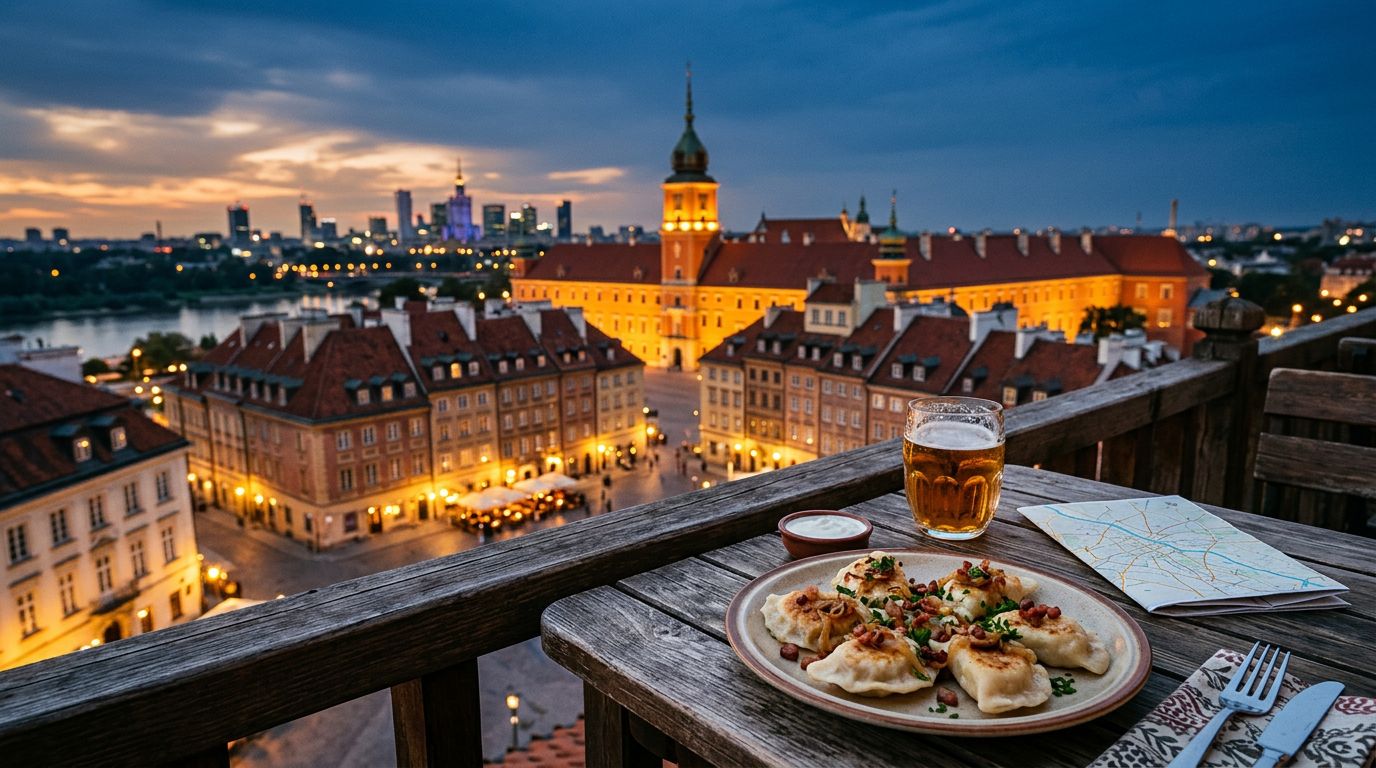
Warsaw doesn’t reward a frantic checklist. It rewards good pacing, a few smart reservations, and the willingness to let dinner become the evening. This Warsaw itinerary keeps each day focused without making the city feel rushed.
This three-day Warsaw itinerary covers Old Town, major historical landmarks, grand parks, and essential tourist attractions, while leaving room for food and late bars. For a family-friendly or rainy-weather swap, consider the Copernicus Science Center instead of forcing another stop into the plan.
Key Takeaways
- Three days is enough to experience Warsaw’s rebuilt Old Town, Royal Route, major historical museums, grand parks, pierogi, and late-night bars without rushing.
- Stay in central Śródmieście or nearby Powiśle for easy access to attractions, restaurants, public transport, and evening plans.
- Build each day around one area and use trams, the Metro, or taxis for longer connections; a Zone 1 three-day WTP ticket can simplify getting around.
- Choose one main history museum, either POLIN or the Warsaw Uprising Museum, and give it enough time rather than stacking emotionally demanding visits.
- Leave room for a proper dinner and one well-chosen bar, because Warsaw is best experienced at an unhurried pace.
Why Three Days Is the Right Warsaw Itinerary
Three days is enough to understand Warsaw’s contrasts. See the rebuilt Old Town and absorb World War II history. Spend an afternoon in a royal park, then leave room for pierogi and a proper night out.
It is not enough for Warsaw plus Krakow. A Krakow day trip is possible on paper, but it turns two great Polish cities into a train schedule. Stay in Warsaw. The city has earned the time.
Pick a Hotel That Protects Your Evenings
My call for a first visit is central Śródmieście, near Nowy Świat, Powiśle, or the Palace of Culture and Science. The landmark helps with directions, and nearby trams, buses, Metro Centrum, and the central railway station keep the core accessible.
You’ll be close to the Royal Route, restaurants, transport, and a manageable ride home after drinks. Śródmieście is especially practical when evenings center on Nowy Świat, though check current street works and nightlife noise before booking.
The historic center is beautiful, but it can feel sleepy once day-trippers clear out. Wola works well for newer hotels and the museum, though it is less ideal if your nights are built around bars in central Warsaw.
If the Copernicus Science Center is a priority, you can still stay centrally. Either Śródmieście or Powiśle keeps the visit practical, with straightforward connections to the riverside.
Wilanów Palace is an optional substitute for travelers who prefer gardens and royal interiors. It sits outside the tightest central route, so check travel time before letting it replace your core history plan.
Ask about air conditioning in summer, current construction, street noise, and whether your room faces the courtyard. A smaller, well-placed hotel beats a larger room that turns every dinner into a late-night logistics problem.
| Area | Best for | What to know |
|---|---|---|
| Śródmieście | First visits, dining, late bars | The strongest all-around base |
| Powiśle | River walks, relaxed evenings | More local, still central |
| Old Town | Historic atmosphere | Pretty, but more tourist-facing |
| Wola | Modern hotels and museums | Convenient for the Warsaw Uprising Museum, but less ideal for bar-hopping |
Get Around Warsaw Without Losing the Day
Warsaw is spread out enough to punish random routing. Build each day around one area, then use trams, the Metro, or taxis for clean jumps.
The WTP public transport system uses integrated timed tickets on buses, trams, and the Metro. A Zone 1 three-day ticket is valid for 72 hours after validation or mobile activation.
Buy it from ticket machines, approved apps, or WTP sales points. Check the official WTP/ZTM fare page for the current price and terms. Validate paper tickets after boarding or before entering the Metro, and activate mobile tickets before travel.
Walk the Parts That Deserve Walking
Old Town, Krakowskie Przedmieście, Nowy Świat, Powiśle, and the lanes around Łazienki Park are better on foot. This is where you notice a pastry counter with a line, a courtyard bar, or the Vistula River waterfront. For destinations such as the Copernicus Science Center, plan a short local connection instead of improvising a cross-city trip.
Use the Metro for longer jumps. After midnight, a taxi or rideshare can be a practical fallback when dinner ran long and your feet are cooked. Check current car availability and late service times before choosing.
Warsaw works when the attractions, dinner, and last drink sit in the same orbit.
Day One: Old Town, the Royal Route, and Your First Pierogi
Start at Castle Square before 9 a.m., when the historic center is quieter. Follow the route through Old Town, beginning with the castle, St. John’s Archcathedral, and Old Town Market Square. The Barbican and city walls follow naturally, so allow two to three hours for this cluster.
Warsaw’s historic center is a UNESCO World Heritage Site, but it shouldn’t feel like a museum display. Much of Old Town was rebuilt after World War II. The designation recognizes the historic urban plan and careful reconstruction, not a collection of untouched buildings.
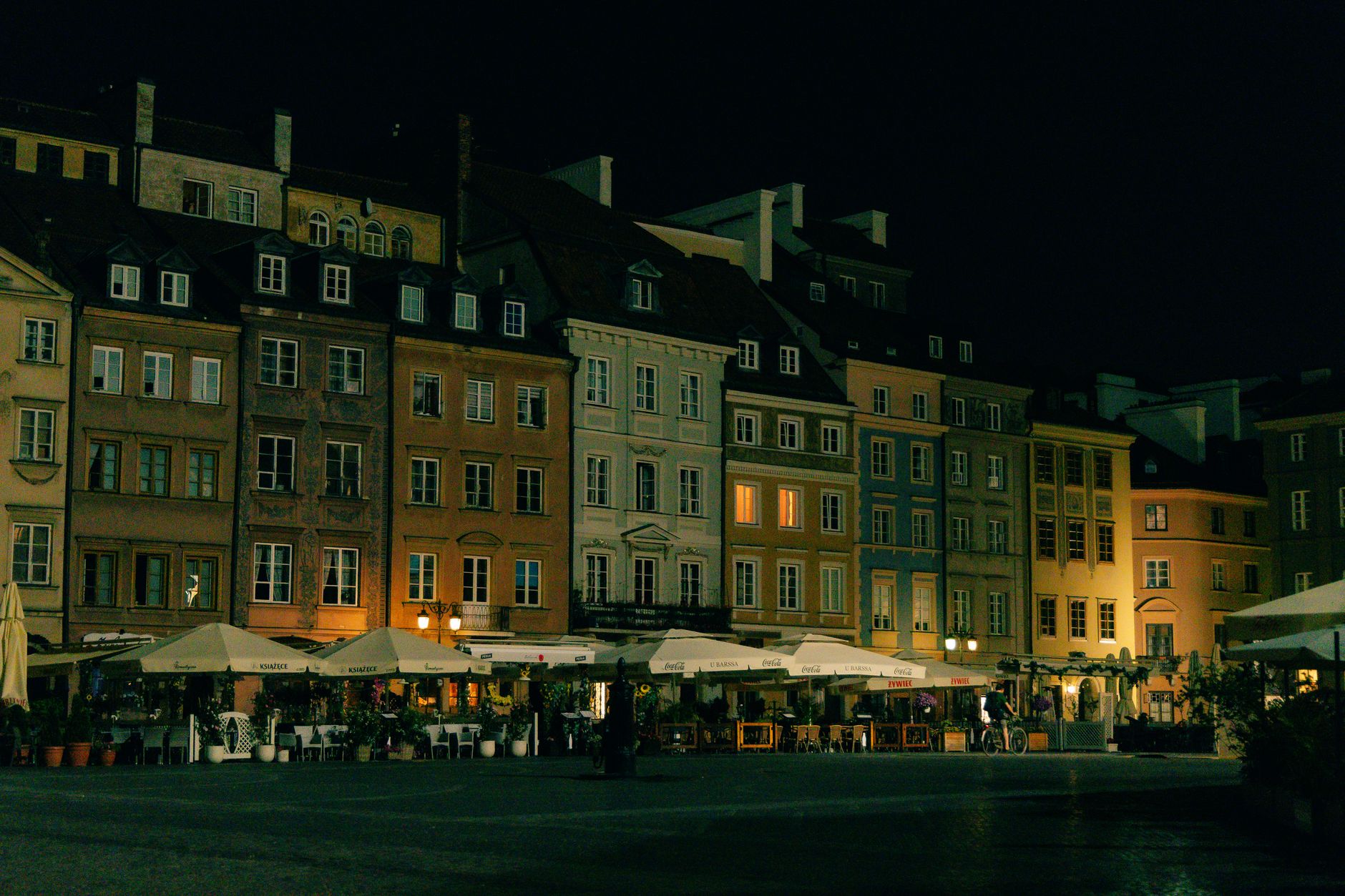
Photo by Tanita Lupa
Keep the Royal Castle Visit Intentional
The Royal Castle is worth seeing if royal interiors and Polish history are your thing. Check its official visitor information before building the morning around it. Confirm opening days, timed-entry rules, ticket availability, exhibit closures, and holiday schedules, then book ahead in high season.
If you’d rather stay outside, walk Old Town slowly instead, using a guided tour for extra context. Check the operator’s current language, meeting point, duration, and cancellation policy before booking. Grab coffee near the square, follow the lanes toward the Barbican, then reach the Vistula River for a quieter pause.
If you prefer a science museum to more historic streets, swap this extended walk for the Copernicus Science Center. Treat it as a replacement for this time block, not an extra stop.
Let the Royal Route Carry the Afternoon
Walk south along the Royal Route through Krakowskie Przedmieście, past the Presidential Palace, the University of Warsaw, churches, bookshops, and grand facades. This northern spine gives you Warsaw at its most composed.
Continue toward Nowy Świat for a late lunch. Don’t turn the afternoon into a second museum marathon. A few hours of street-level wandering will tell you more about the city’s rhythm than another rushed ticketed stop.
For dinner, make pierogi the move. Try Syrena Irena’s listed Krakowskie Przedmieście branch for a polished meal, or Gościniec Polskie Pierogi for a casual plate. Check that the named branches still operate, then confirm current hours and reservation policies; don’t assume a walk-in table. See the dedicated food section for a detailed restaurant comparison.
Order two fillings for the table. One classic potato-and-cheese ruskie, one meat or mushroom option, then something sweet if you have room.
Day Two: Choose Your Warsaw History Anchor
This is the day Warsaw gets real. The city does not hide the hard parts of its past, and it should not. Just do not stack every history museum into one exhausting afternoon.
Pick one major museum as your anchor. Then give it the space it deserves.
POLIN Museum for a Longer Historical View
The POLIN Museum is the right choice if you want a wider understanding of Jewish life in Poland across centuries, including the history of Jewish Warsaw beyond a single wartime narrative. It sits in Muranów, beside the site of the former Warsaw Ghetto, and the building itself is part of the experience.
Plan on two to three hours at the museum, depending on current exhibitions. Afterwards, stay in the area. Walk the nearby memorials, have a slower lunch, then head back toward the center for coffee or a break at your hotel.
Before going, check current opening days, last-entry rules, timed reservations, free-entry days, accessibility, and exhibit closures. Use the current Warsaw museum guide as a starting point, then confirm details on POLIN’s official website.
If your group needs a lighter route, the Copernicus Science Center can replace this history anchor. It works especially well for families or travelers who need a break from emotionally intense museums.
The Warsaw Uprising Museum for a More Intense Visit
The Warsaw Uprising Museum in Wola is the better call if you want to focus on 1944 and the civilian uprising against Nazi occupation. It is moving, detailed, and not a place to rush through between brunch and cocktails.
Buy tickets ahead when you can. Check current opening days, last-entry rules, timed reservations, accessibility, and exhibit closures on the official site. The museum’s own visitor information confirms that ticket sales end 30 minutes before closing.
After visiting the Warsaw Uprising Museum, leave recovery time and keep the evening lighter. Head back to Śródmieście for dinner rather than forcing a second emotional stop. Warsaw history deserves attention, not speed.
Day Three: Lazienki Park, Chopin, and a Better Final Night
Start Day Three with space around it. Lazienki Park is the reset after two denser days. The grounds include the Palace on the Isle, peacocks, formal gardens, water, and enough walking paths to make Warsaw feel unexpectedly calm.
Give the Park a Real Morning
Get there early, especially in summer. At Lazienki Park, walk the paths, see the palace exterior, and leave room for coffee nearby. During warmer months, look for seasonal performances near the Chopin Monument. An outdoor Chopin concert is one of the city’s most memorable traditions.
Before planning around a Chopin concert, check the current date, time, weather procedures, and seating or access rules. Also verify official opening and access rules, Palace on the Isle hours, and any construction or restoration closures. The same goes for museum hours and special-access days listed by Go2Warsaw.
Optional Swap: Wilanów Palace
If you want a formal palace and gardens instead, Wilanów Palace is the better choice. The detour may mean sacrificing part of the central route, so check current grounds and building hours, ticket requirements, seasonal access, and travel time from your base.
Rainy-Day or Family-Friendly Swap: Copernicus Science Center
For a rainy day or family-friendly plan, choose Copernicus Science Center instead of the full park-and-route itinerary. Check hours, timed-entry rules, and current exhibitions before going, then allow enough time for the visit and transport. It works best as a replacement, not an addition.
After lunch, take a short ride back north and finish the Royal Route through the parts you missed. Nowy Świat is made for this. It has the right mix of old facades, people-watching, cafes, and pre-dinner energy.
Leave Time for One Great Dinner
Your final dinner should not be squeezed between a park walk and a bar reservation. Make it the anchor.
Choose a place that feels like a night out, not a meal you checked off. Warsaw’s restaurant scene can be traditional, modern, playful, and serious about ingredients in the same few blocks. A table near the center keeps the night easy.
Then decide whether you want a listening room, a cocktail bar, or a skyline view. Trying to do all three is how a final night turns into a commute.
Where to Eat Pierogi in Warsaw
Pierogi are not a side quest here. They are the meal, best served hot, lightly browned when appropriate, and paired with something cold to drink.
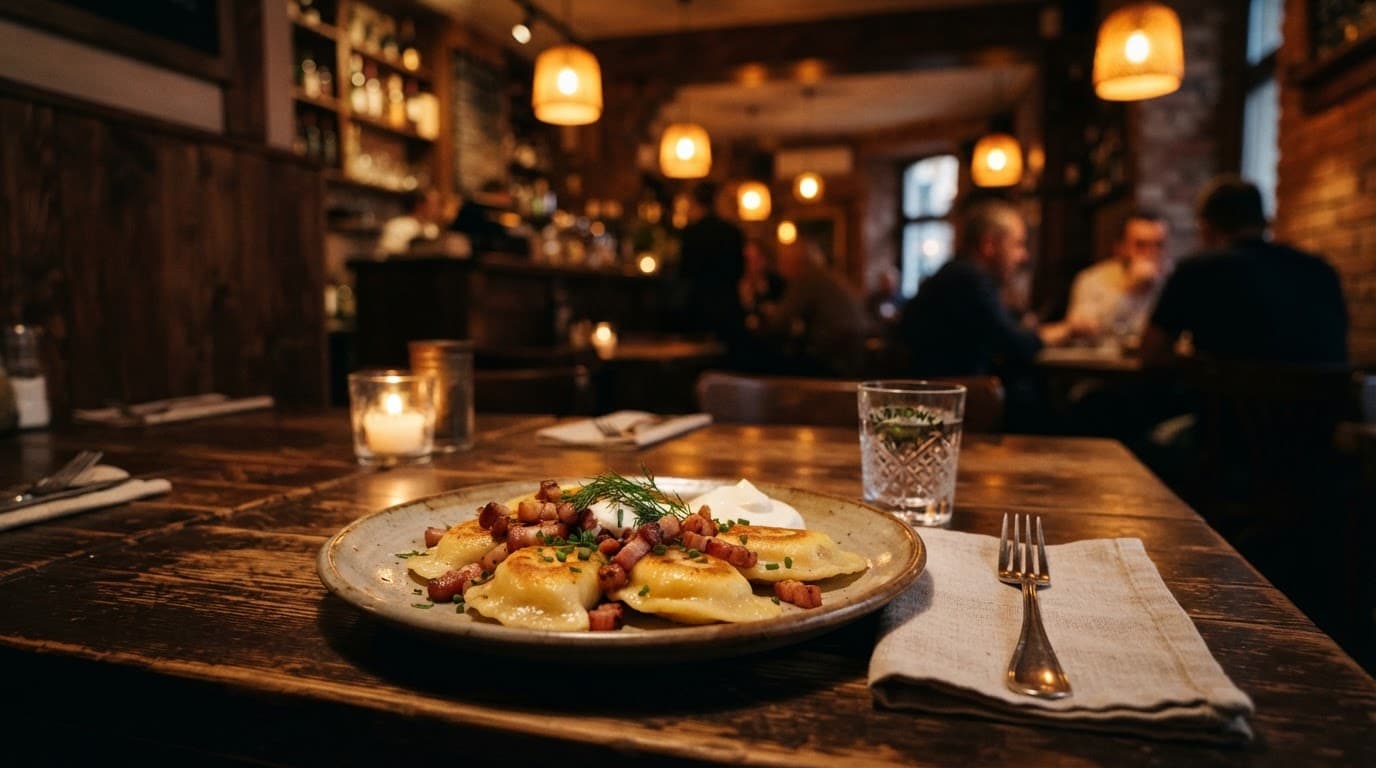
Order Beyond the Safe Fillings
Ruskie dumplings, filled with potato and twaróg cheese, are the classic starting point. Mushroom and cabbage suit vegetarians, while meat fillings are more substantial. Sweet cheese or fruit belong at the end of a meal, not as an afterthought. These choices offer an accessible introduction to traditional Polish cuisine. Polish food also includes żurek, mushrooms, cabbage, and other seasonal ingredients.
Syrena Irena is a smart pick for a polished dinner near the Royal Route. Gościniec Polskie Pierogi offers a relaxed, central meal focused on dumplings. Po Pierogi in Mokotów is a neighborhood detour, worth taking only if your route already includes it. Check current hours, reservation requirements, payment options, and vegetarian choices before going.
Don’t order a mountain of food before a late night. Share several fillings, add żurek if the weather is cool, and keep room for the bar you chose on purpose.
Late Bars and Live Music Worth Building Around
Warsaw is a late city, but the strongest nights still need shape. Start with a dinner reservation, then choose one main bar and keep a backup flexible. Check official venue pages or same-day social updates before heading out, especially on Sundays, holidays, event nights, and during seasonal timetable changes.
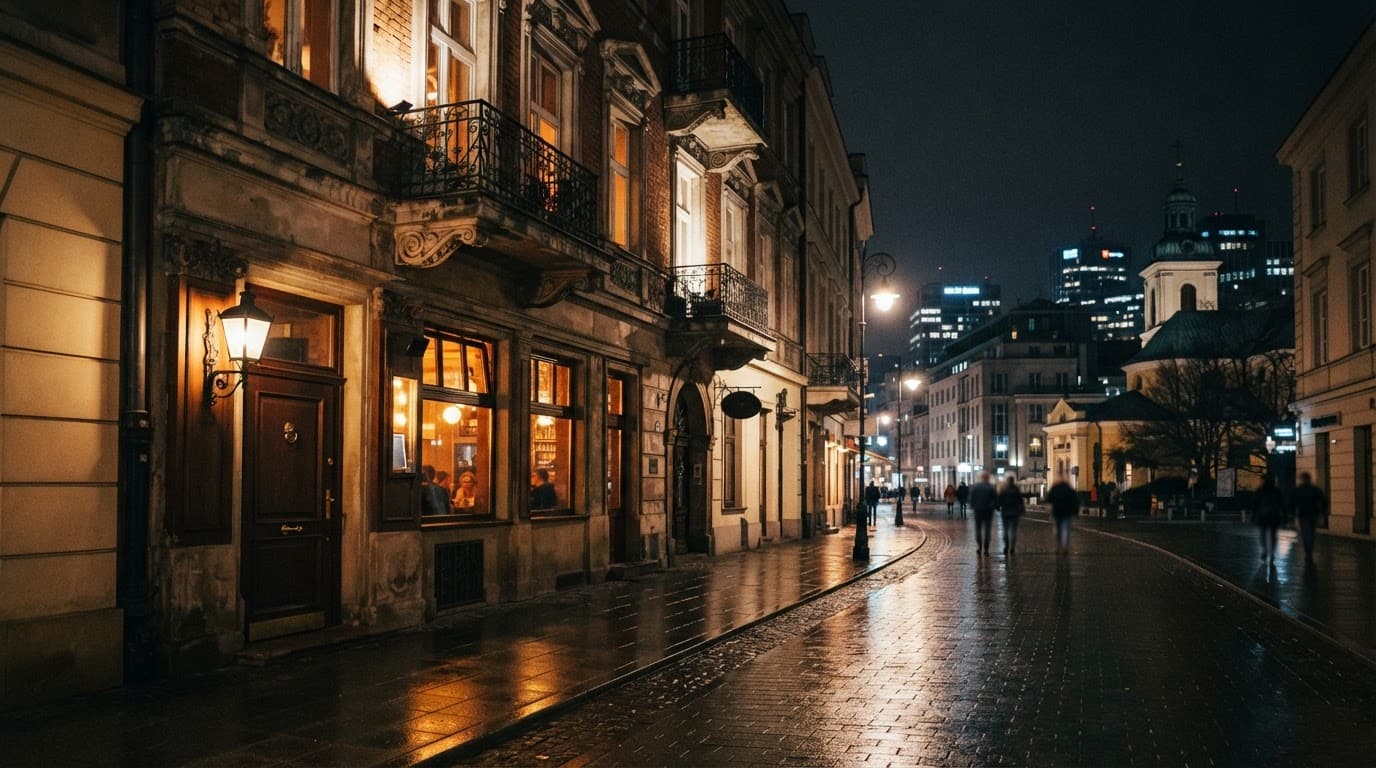
Cocktails With a Plan
Klar Cocktail Bar suits a more composed night, but treat it as reservation-led and check current details before booking. Confirm its address, hours, booking process, dress rules, and any minimum spend. Also check whether the speakeasy and lounge spaces still operate as described.
The Roof Skybar can suit a dressed-up final drink, but verify its current listing before relying on it. Check the name, Crowne Plaza Warsaw affiliation, floor, opening hours, reservation policy, and weather or seasonal access. If details have changed, choose a currently operating rooftop bar or observation deck.
For a looser night, use Nowy Świat and nearby streets rather than planning a long cross-city crawl. Warsaw has plenty of bars, so keep one nearby backup if your first choice is full, loud, or too scene-heavy.
Let the Music Calendar Decide
If live music is your thing, check current calendars for Progresja and Stodoła before booking dinner. Both are established Warsaw venues, but confirm age rules, door times, ticket links, and post-show transport because schedules and hours change. Eat nearby, arrive early, and keep one close bar lined up afterward.
That approach also works for any music-first city break. Building an itinerary around live music keeps the show at the center without sacrificing the food, neighborhood, or late-night part of the trip.
Frequently Asked Questions
Is three days enough for Warsaw?
Yes, three days is enough to see the city’s essential sights while leaving time for food and nightlife. It is better suited to Warsaw alone than to combining the city with a rushed Krakow day trip.
Where should I stay in Warsaw for a first visit?
Central Śródmieście is the strongest all-around base, especially around Nowy Świat, Powiśle, or the Palace of Culture and Science. These areas offer convenient transport, restaurants, access to the Royal Route, and an easier return after a late night.
Should I visit POLIN or the Warsaw Uprising Museum?
Choose POLIN for a broader history of Jewish life in Poland and Jewish Warsaw across the centuries. Choose the Warsaw Uprising Museum for a more focused and intense visit about the 1944 uprising and civilian experience under Nazi occupation.
What is the best way to get around Warsaw?
Walk between nearby areas such as Old Town, the Royal Route, Nowy Świat, Powiśle, and Łazienki Park, then use public transport for longer jumps. Trams, buses, and the Metro share the integrated WTP system, while taxis or rideshares are practical after midnight.
Where should I eat pierogi in Warsaw?
Syrena Irena is a polished option near the Royal Route, while Gościniec Polskie Pierogi offers a more relaxed central meal. Check current hours, reservations, and vegetarian choices before going, and share several fillings so you still have room for the evening.
The Warsaw You Will Remember
The strongest Warsaw itinerary is not the one with the most pins saved. It is a balanced three-day plan that lets Old Town breathe, gives history the time it needs, and leaves you sitting over pierogi when you should probably be heading to the next thing.
Keep the days tight. Book the rooms that matter. Let the city carry you into the night.
Warsaw feels best when there is still room for one more drink.