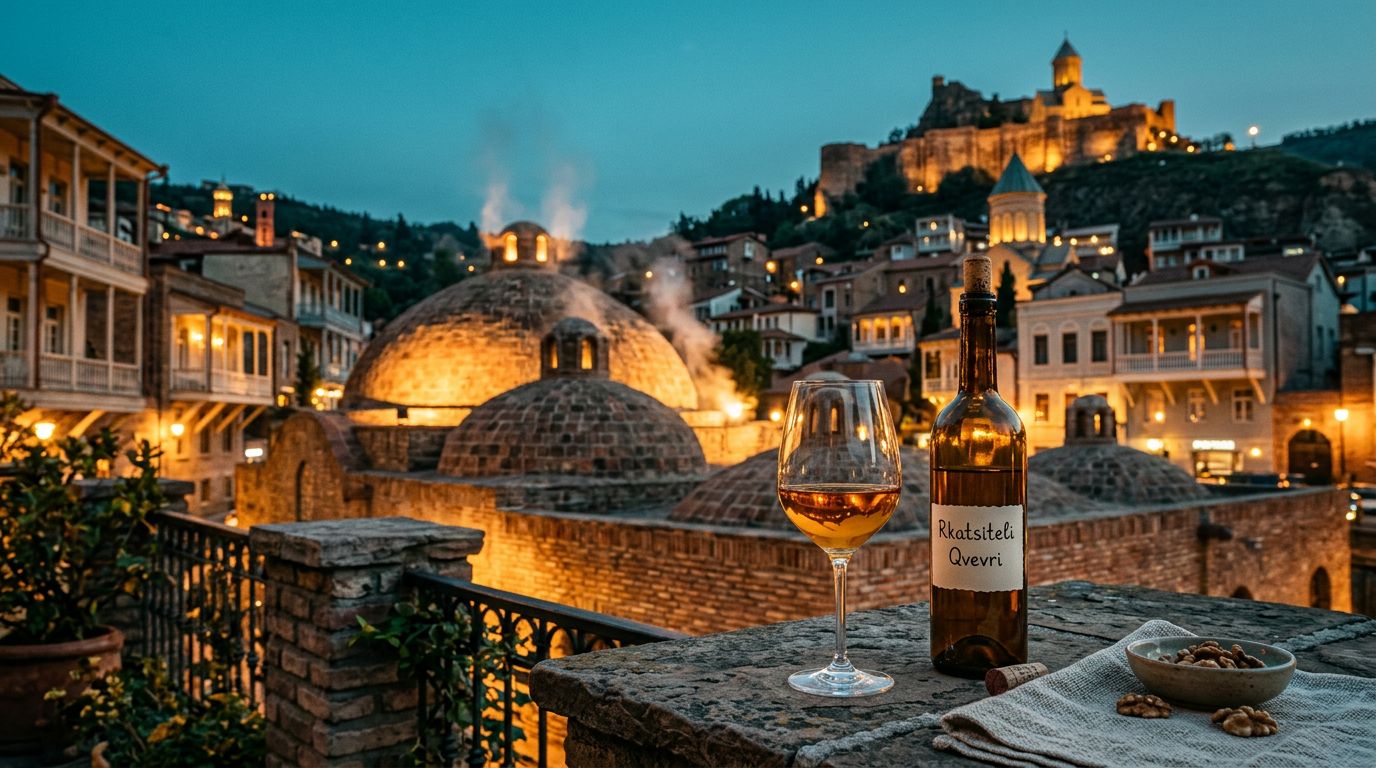
Tbilisi rewards travelers who leave room for a long lunch, an unplanned bottle, and a late walk home through streets that look better after dark. As you explore the cradle of wine, you will find that the city is compact, textured, and full of contrasts, with Tbilisi wine bars and centuries-old sulphur baths sitting within the same easy orbit. Whether you are tasting crisp local whites or rich Georgian wine, the experience always feels rooted in history.
Three days is enough to get the rhythm right. Keep each day tight, let one neighborhood lead, and don’t ask a cross-town reservation to rescue a plan that was already too crowded.
Key Takeaways
- Build your first day around Old Town, Sololaki, and Abanotubani. They connect naturally on foot.
- Start with Georgian natural wine, then move into amber wine and fuller reds once you know your taste.
- Reserve a private sulphur-bath room before arrival, especially for a weekend or evening slot.
- Give one evening to Fabrika or Chugureti if you want music, younger energy, and a less formal night.
- Walk the middle of each day. Use taxis late, when your feet are cooked and a second bottle has landed.
How to Plan 3 Days Around Tbilisi Wine Bars
Tbilisi can feel chaotic if you treat it like a checklist. The hills, uneven streets, and late-night dinners make more sense when you plan by neighborhood.
Think of the trip like a setlist. You don’t open with the encore, reset the room three times, then wonder why the energy fell off. Start strong, keep the transitions short, and save a little for later.
The smartest base is around Sololaki, Old Town, or Vera. Sololaki puts you close to some of the best wine bars in Tbilisi, the baths, and late dinners. Vera works well if you want a more polished hotel feel and easy access to Vake. Fabrika and Chugureti are better for travelers who want creative energy, casual bars, and live music close by.
Your hotel is more than a place to sleep. It decides whether the end of the night feels easy or becomes a long ride through traffic.
Tbilisi is built for walking when the neighborhoods connect. Take your time through Old Town, cross the river when it makes sense, and use a taxi for clean jumps. A late ride home is worth it when you are dressed for dinner, your legs are done, and the idea of hunting for transport sounds like work.
The best Tbilisi nights usually happen within a few blocks: one serious dinner, great wine by the glass, and one loose final stop.
Day 1: Old Town, Amber Wine, and Abanotubani
Start your first morning in Old Tbilisi. This is not the moment to sprint through every church, viewpoint, and souvenir stall. Walk the lanes around Sioni Cathedral, take in the carved balconies, and let the city introduce itself at street level.
For a high view, take the cable car toward Narikala Fortress, then walk down through the old lanes toward the baths. The fortress is worth it for the skyline, but the descent is where the day gets good. You get tiled roofs, tangled alleys, courtyards, and the sense that the city has been built in layers.
Settle into lunch before your first wine stop. Georgian food asks for time. Order khinkali, pkhali, lobio, or a plate of badrijani nigvzit, eggplant rolls with walnut paste. Save room for dinner. This is a three-day trip, not a competitive eating event.
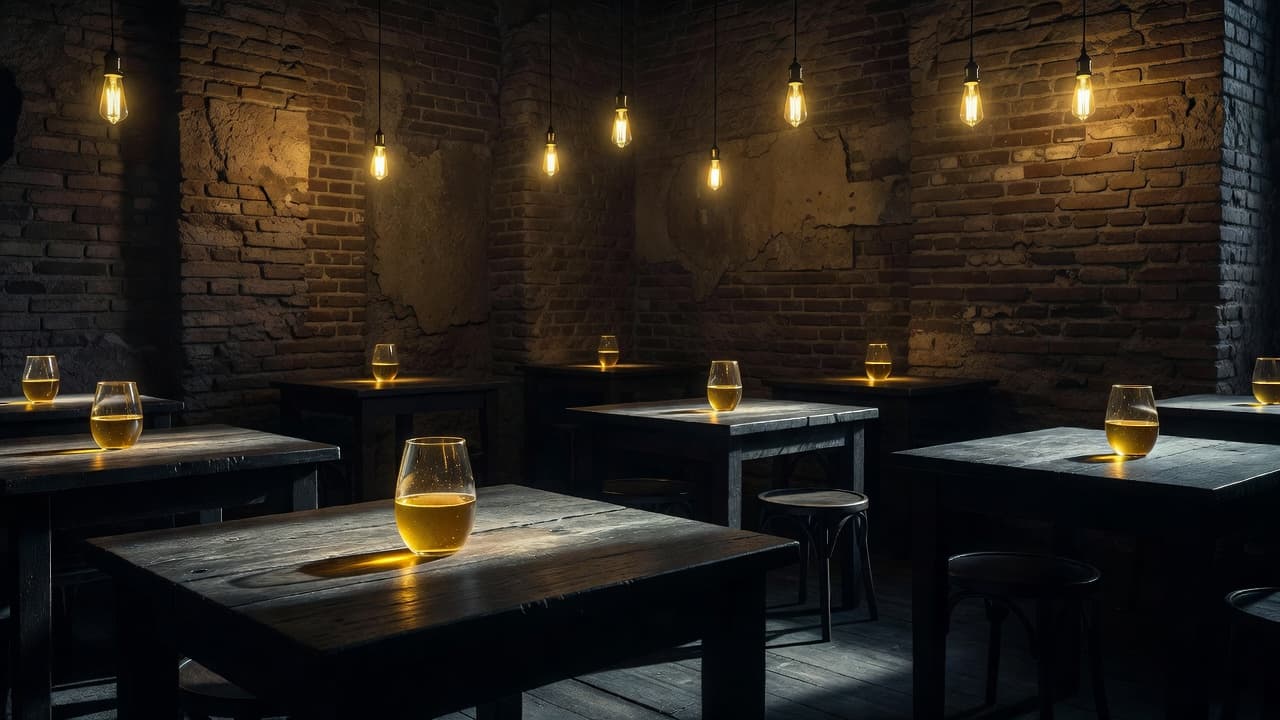
Vino Underground, at 15 Galaktion Tabidze Street, is the right first stop. The basement room is intimate and serious without feeling stiff. Ask for a short tasting that moves through a crisp white wine, an amber wine made in qvevri, and a rich red wine. These offerings highlight ancient winemaking traditions rooted deeply in regions like Kakheti. Georgian wine is not a side note here. It is the main language of the room.
A little context helps before you start ordering. Qvevri wines are made in large clay vessels buried in the ground, often with extended skin contact. That process gives skin contact wines and many white grapes their amber color, a grippy texture, and a savory edge. If you usually drink Sauvignon Blanc, don’t expect a familiar version of it. Stay curious.
For a broader view of the city’s bottle lists and intimate rooms, Culinary Backstreets’ Tbilisi wine bar guide is a useful read before you arrive.
After the tasting, head downhill to Abanotubani for the sulphur baths. The low brick domes sit at the base of Old Town, right where the city’s founding story begins. The water is warm, mineral-heavy, and has a sulfur smell that tells you immediately this isn’t a hotel spa experience. That’s part of it.
Book a private room at Chreli Abano or another established bathhouse in advance. Private rooms vary a lot in size, finish, and price. Some are simple tiled spaces. Others have plunge pools, saunas, and lounge areas. Ask what is included, how long the booking lasts, and whether a scrub treatment is available.
Do the bath before dinner, not after. You will feel reset, loose, and ready for a slower evening, perhaps punctuated by a warming post-bath shot of chacha if the evening air turns cool.
For dinner, keep it nearby in Old Town or Sololaki. Follow it with DADI Wine Bar on Shalva Dadiani Street if you want a more relaxed second pour and a bottle to take home.
Day 2: Sololaki, Serious Bottles, and a Longer Dinner
Day two is for the version of Tbilisi that gets better once you stop chasing landmarks. Start in Sololaki with coffee, then walk the residential streets slowly. Look up. The facades, old staircases, balconies, and worn doorways have more character than a rushed museum circuit.
If you want one cultural anchor, choose the Georgian National Museum or the Gabriadze Clock Tower. Pick one. One museum a day is culture. Three museums a day is cardio.
By afternoon, make wine the center of the plan. Living Vino on Lado Asatiani Street is a strong call in the Old Town area, with an easy atmosphere for tasting without turning the afternoon into a formal lesson. When you sit down, ask the sommelier about smaller family producers and native grapes such as Rkatsiteli, Mtsvane, Saperavi, and Kisi.
This is where Tbilisi wine bars earn their reputation. The best rooms don’t merely hand you a list. They help you understand what is in the glass, which producer made it, and why the wine tastes different from what you expected. If that style of trip appeals to you, Slovenia runs a similar natural-wine depth with smaller crowds, and my guide to Ljubljana wine bars and riverside dining plans that weekend with the same rhythm.
For a more food-forward stop, DADI Wine Bar works well as both a shop and bar. You can drink a glass here, pair it with a local charcuterie board, and then stop by a nearby wine shop to choose a bottle for a later dinner. This overview of DADI and other favorite wine bars gives a helpful sense of the city’s range.
Dinner deserves a reservation tonight. Go for a restaurant that treats Georgian food with care, then keep the meal moving at the right pace. Start with seasonal vegetables and spreads, add a main course, and order wine by the bottle if your group is ready to commit. Georgian tables are meant for conversation, not quick exits.
If you want a dressier finish, take a taxi to 8000 Vintages in Vake. The room is more polished, the list is extensive, and it suits a night when you want to linger over older vintages or compare styles. This is also a good move for travelers who enjoy wine but don’t want every evening to feel rustic.
Don’t overbook the night. One proper dinner and one strong wine bar is enough.
Day 3: Dry Bridge, Chugureti, and Fabrika After Dark
Keep the last morning loose. Start at Dry Bridge Market, where you can browse Soviet-era objects, old cameras, paintings, jewelry, and the kind of strange finds that only make sense once they are in your suitcase. It is better as a wander than a mission.
From there, walk toward Aghmashenebeli Avenue and Chugureti. The neighborhood has a different pulse from Old Town. It is less postcard-perfect, more lived-in, and better for an afternoon that includes coffee, records, design shops, and a late lunch.
This is your chance to explore a newer side of the Tbilisi wine bars scene. Wine Merchants is a strong option for Georgian bottles and sharing plates in Chugureti, especially if you want to sample organic wine alongside traditional styles. Garage Wine at Fabrika works when you want the night to stretch a little later.
Fabrika occupies a former Soviet sewing factory and now pulls together a hostel, courtyard, food spots, bars, and creative studios. It can be busy, but it has the kind of energy that works for a final night. Go early enough to get your bearings, then decide whether you want a casual dinner, another glass of organic wine, or live music.
Georgia’s natural-wine culture runs far deeper than a few fashionable bars. The Raisin guide to natural wine venues across Georgia is a good reminder that the producers, restaurants, shops, and wine culture extend well beyond the capital.
If a concert or DJ set is the reason you chose Tbilisi, build the evening backward from doors. Eat close to the venue. Give yourself margin. Nobody wants to miss the opening set because dinner service ran long and the group is still trying to find a taxi.
Practical Details That Keep the Trip Easy
Book private sulphur baths before you land, especially Thursday through Sunday. Ask for a room with a cold plunge if that matters to you, and don’t schedule it too close to a dinner reservation. You will want time to shower, change, and settle back into the night.
Cash is useful for markets and smaller purchases, though cards work widely in restaurants and wine bars. Download a ride-hailing app before arrival. Taxis are inexpensive by European capital standards, but agreeing on a street pickup late at night is easier when you have a driver already assigned.
Keep wine purchases for your final day if you are flying out soon. Whether you wrap up your trip with a final wine tasting or pick up special bottles directly from a local wine shop, ask how to pack them safely, and check your airline’s checked-bag limits before falling in love with six bottles of Saperavi.
Most of all, leave one pocket of unscheduled time each day. Tbilisi gives a lot back when you let a side street, a second glass, or an unplanned lunch take over.
Frequently Asked Questions
Do I need to book Tbilisi wine bars in advance?
Most Tbilisi wine bars welcome walk-ins, especially during off-peak hours or for afternoon tastings. However, securing a table in advance is strongly recommended for dinner service at popular spots or if you are traveling with a larger group.
What is amber wine and why is it so popular in Georgia?
Amber wine is made by fermenting white grapes with their skins, seeds, and sometimes stems in large underground clay vessels called qvevri. This traditional method produces a distinct amber color, a textured mouthfeel, and a savory profile that pairs wonderfully with Georgian cuisine.
Are English-speaking sommeliers available at wine bars in Tbilisi?
Yes, most staff members at prominent wine bars in the city speak excellent English and are passionate about sharing the stories behind the bottles. They are typically eager to guide you through native Georgian grape varieties and regional styles to match your personal preferences.
Final Thoughts
Tbilisi doesn’t need to be conquered. It needs to be read correctly.
Keep the days close together, let the baths reset your pace, and treat Tbilisi wine bars as part of the city rather than a separate activity. The strongest version of this trip is not packed. It is warm, well-timed, and built around the moments you will still be talking about when the bottles are long gone.