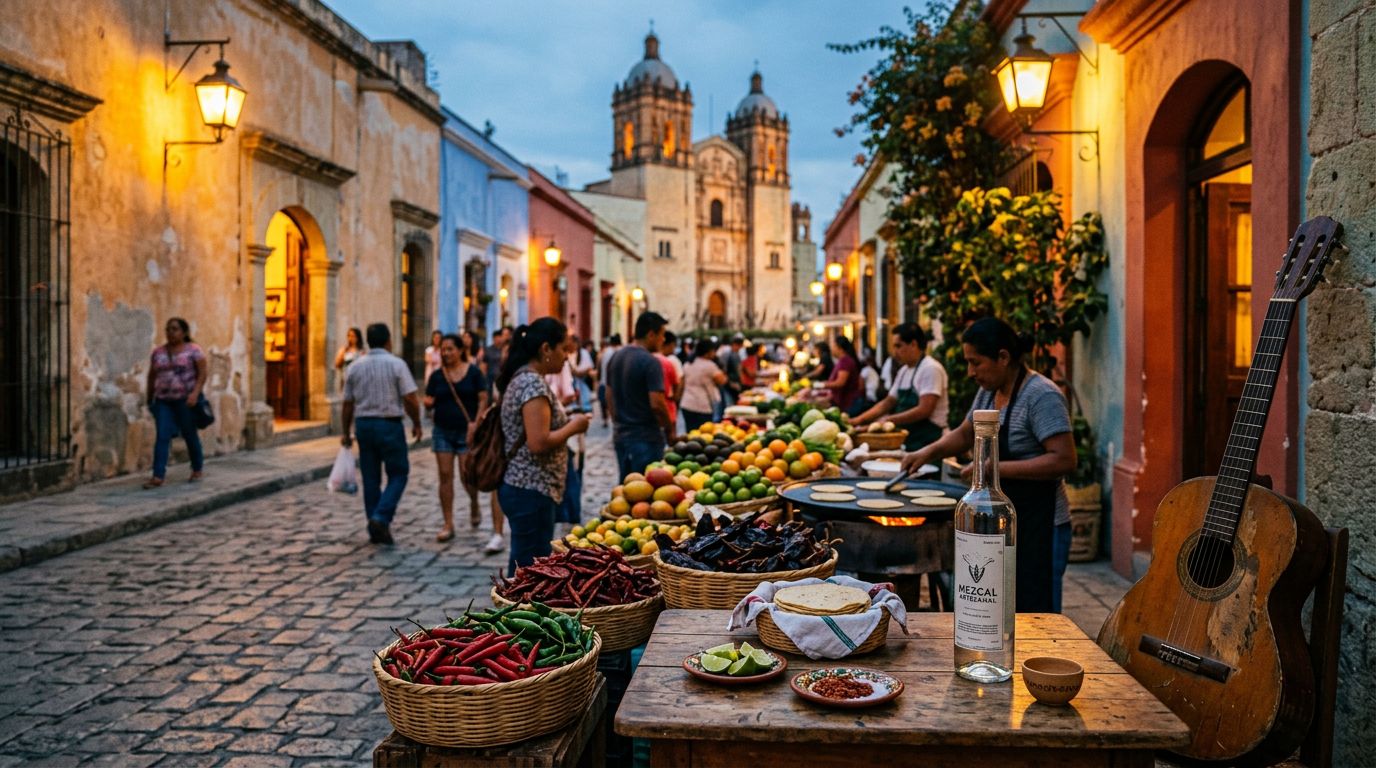
Oaxaca City isn’t hard to love. The hard part is fighting the urge to cram it all into one weekend.
A strong Oaxaca itinerary has a rhythm to it, including market snacks before lunch, one major cultural stop a day, long dinners, and nights that end with mezcal or live music instead of a sprint back to the hotel. Start with the pace, because pace is what makes this city work.
Key Takeaways
- Prioritize Pace over Volume: The best Oaxaca itineraries focus on one major cultural or archaeological excursion per day to allow for spontaneous discovery and lingering meals.
- Food is Central: Culinary experiences, from market snacking at Mercado 20 de Noviembre to refined regional dinners, are the core of the city’s identity and should be built into your daily flow.
- Strategic Base: Staying in the Centro Historico or Jalatlaco ensures you are within walking distance of the best nightlife, restaurants, and historical sites, minimizing transit time.
- Balance Structured Days with Flexibility: While morning activities like Monte Alban require planning, leave your evenings open for mezcal tastings, live music, or wandering the Zocalo to soak in the local atmosphere.
Why Oaxaca rewards a well-paced trip
Some cities ask you to plan around transit. Oaxaca City asks you to plan around appetite.
The Centro Historico is compact, walkable, and full of reasons to slow down. You can move from the Zocalo to Santo Domingo, duck into a market, find a courtyard cafe, then end up in Jalatlaco by sunset to admire the famous street art without feeling like you spent the day in transit. That is a huge part of the appeal.
Food also is not a side activity here. It is stitched into the day. A morning chocolate drink counts. A smoky hallway lunch in Mercado 20 de Noviembre counts. A mezcal tasting before dinner counts too. If you want a wider sense of the city’s range, this roundup of cultural things to do in Oaxaca is a good place to keep the bigger picture in mind.
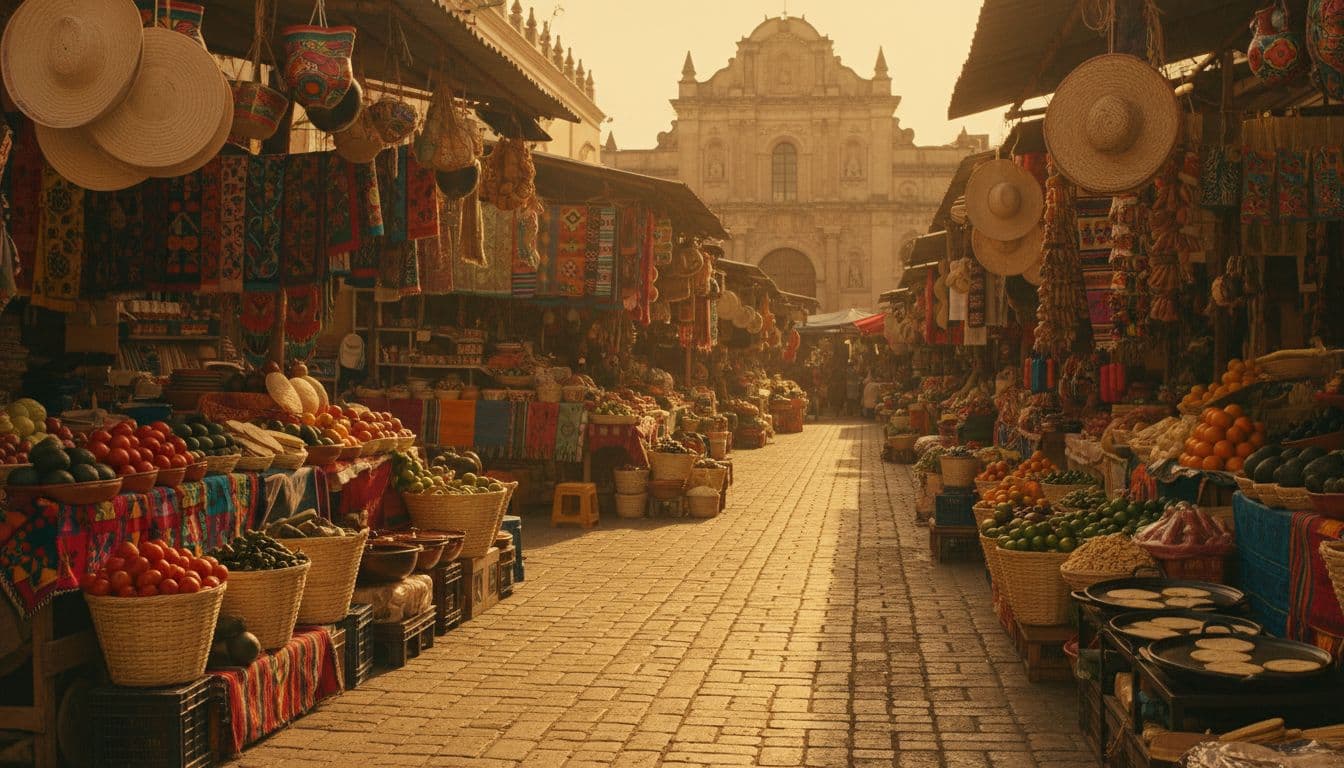
The city also works for travelers who want something more edited than generic. You can build a trip around deep bowls of mole, artisanal mezcal, textile villages, small live music nights, and one or two big scenic moments. It still feels relaxed.
The best trip here is not the one with the most stops. It is the one with the right stops, in the right order.
That means fewer hard commitments, more smart choices, and enough space to follow a recommendation when it lands in your lap.
How many days you need, and where to stay
If you only have two days in Oaxaca City, go anyway. But three full days is where an Oaxaca itinerary starts to breathe.
This is the quick version of what works best.
| Trip length | Best shape of the trip | What to avoid |
|---|---|---|
| 3 days | Centro, one Monte Alban day trip, one bigger excursion | Trying to fit every village and museum |
| 4 days | 3-day core trip plus one slower food or craft day trip | Back-to-back long day trips |
| 5 days | A balanced mix of city time, villages, and nightlife | Constant hotel changes |
The sweet spot for most people is three or four nights. That gives you enough time for the Centro Historico, Monte Alban, one day trip outside the city, and at least two proper dinners. Exploring the archaeological site of Monte Alban is a major highlight of any Oaxaca itinerary.
For your base, first-timers usually do best near Santo Domingo or the quieter side of the Centro Historico. You are close to the best walks, restaurants, and evening energy. If you want something a little calmer, Jalatlaco is a great pick. It has color, character, and a softer pace at night.
Try not to stay too far out. Oaxaca is a city where evenings matter. A late dinner, a slow drink, or a plaza performance loses some magic if you need a long ride home.
Timing matters too. Dry season is the easiest stretch for most travelers. Day of the Dead and Guelaguetza are unforgettable, but they bring bigger crowds and faster-rising prices. If you are traveling then, book early and expect the city to move with more intensity.
A smart Oaxaca itinerary also leaves room for rest. Long lunches are part of the point. So are late nights. Build with that in mind.
A 3-day Oaxaca itinerary with room to breathe
Day 1: Santo Domingo, market food, and your first long night
Start in the historic center. Keep the morning simple. Coffee, pan dulce, and a walk toward the Templo de Santo Domingo will do the job. This part of town gives you the fastest sense of Oaxaca’s mood, stone facades, shaded courtyards, street musicians, and a steady pull toward food.
Spend part of the late morning around the Templo de Santo Domingo and the surrounding streets. If museums are your thing, the Museo de las Culturas inside the former convent complex is worth your time. If you prefer to stay outdoors, head to the Jardin Etnobotanico right next door for a look at the region’s incredible plant diversity. Oaxaca rewards wandering.
By lunch, head for the markets. Mercado Benito Juarez and Mercado 20 de Noviembre sit close together, so you can graze without overthinking it. Look for memelas, mole, tasajo, fresh juices, and chocolate. If you want a solid read on market pacing and food stops, this guide to Oaxaca food and market experiences is useful.
The smoky grill corridor in 20 de Noviembre is one of those places that sticks with you. You smell it before you see it. That is usually a good sign.
Use the afternoon for a lighter stretch. Walk Calle Macedonio Alcala. Grab a nieve. Step into a textile shop. Sit somewhere shady and do nothing for 30 minutes. That is not wasted time here.
For dinner, go polished on night one. Los Danzantes and Las Quince Letras both make sense when you want a meal that feels rooted in Oaxaca without feeling stuffy. After dinner, walk the Zocalo. The square comes alive at night, and even if you do not have a plan, the city usually gives you something, like a trio, a brass band, a family gathering, or a reason to stay out longer than expected.
Day 2: Monte Alban, Jalatlaco, and a dinner worth sitting for
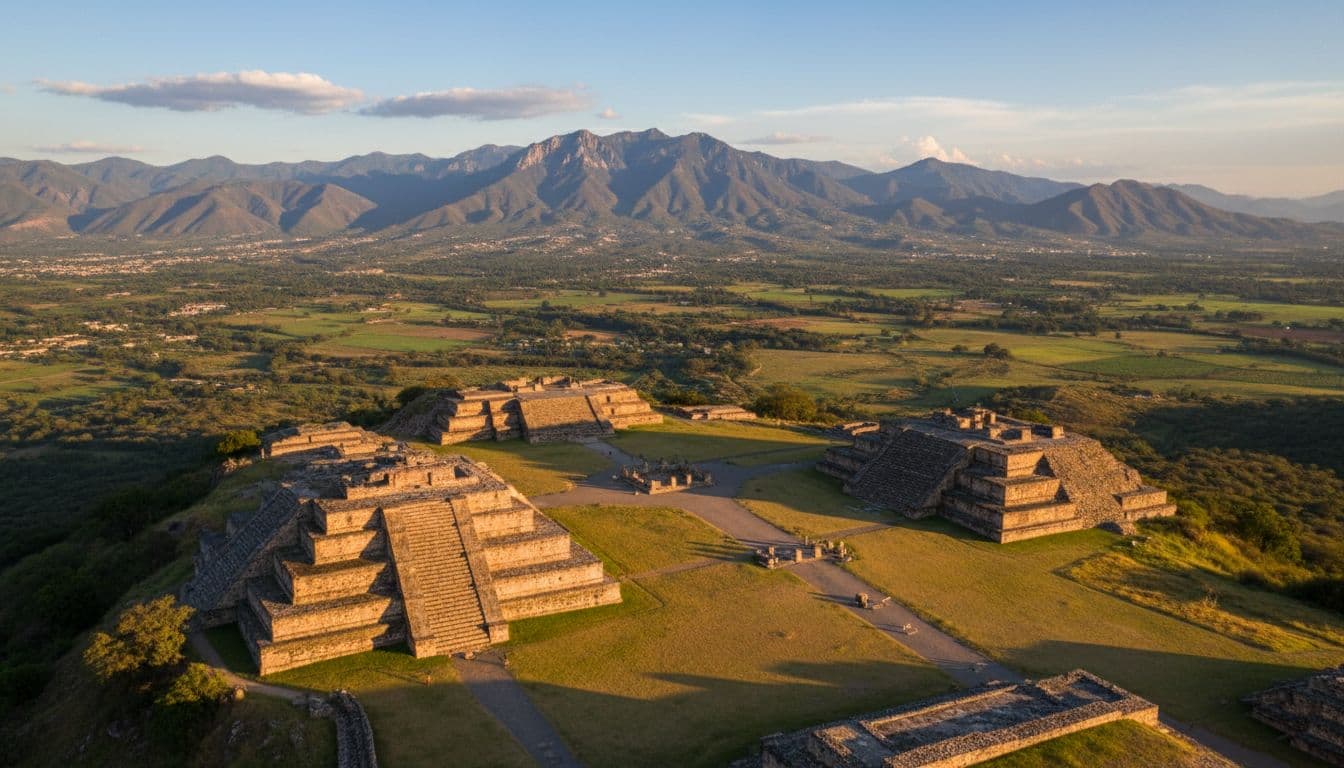
Make day two your history anchor. Go to Monte Alban, the ancient Zapotec capital, early before the heat builds and before the site fills up.
This is the kind of place that lands harder in person. The scale is bigger than photos suggest, and the hilltop setting gives the ruins a wide, quiet drama.
Don’t try to stack another major site right after it. Come back to the city, eat lunch, and reset. Oaxaca is better when you respect the midday pause.
Late afternoon is perfect for Jalatlaco. The neighborhood has mural-lined streets, bright facades, and a collection of stunning street art that gives it a creative, vibrant pulse. It works well after visiting the ruins because it asks less of you. You can wander, stop for a drink, and let the day ease into evening.
If food is the center of your trip, this is also a strong day for a cooking class or a mole tasting. Oaxaca’s moles are not one-note sauces; they are whole conversations. Negro gets the headlines, but don’t stop there. Coloradito, amarillo, and estofado all deserve time, and trying different types of mole is the best way to understand the local culinary soul.
Dinner on night two should feel a little slower. Tierra del Sol is a good fit if you want a broad look at regional cooking in one meal. This is the night to order one extra thing. Oaxaca almost never punishes curiosity at the table.
After dinner, take your pick. You can do a rooftop drink, keep it low-key in a mezcal bar, or head back toward the center and follow the noise. If you are the kind of traveler who likes nights with a little shape but not too much script, Oaxaca is excellent at that.
Day 3: Choose your finale, Hierve el Agua or mezcal and villages
Day three is where the trip turns into your trip.
If you want landscape, go for Hierve el Agua. Leave early. The drive is part of the day, so do not plan a big night before unless you are fine being a little slow the next morning. These frozen waterfalls are a highlight, and Hierve el Agua offers some of the most striking views in the state. After two days of city texture, the open view hits differently.
Check local access before you go. Hierve el Agua has had closures and route changes at different times, and it is worth confirming the latest status before committing the day.
If you want something more cultural and less scenic, do a village loop instead. Teotitlan del Valle is known for high-quality weaving, and Mitla is an essential day trip for anyone interested in intricate stone mosaics. The Arbol del Tule is an easy stop if you want to see the famous giant tree. Add a mezcal palenque, and suddenly you have a day with craft, history, and a proper tasting built in.
This is where personal taste matters. If your ideal trip ends with a big view, pick the petrified waterfalls. If you would rather finish with better conversation, more flavor, and a bottle story to bring home, pick the village and mezcal route.
Back in the city, keep your final dinner lighter unless you still have one big reservation left. A tlayuda, a round of antojitos, or a casual mezcal bar crawl is enough. The last night should feel loose.
If you still have energy, spend it in the center. Oaxaca does not need much production after dark. It does well with lamplight, people out walking, and one more pour.
The food and nightlife stops worth your evening
Oaxaca City can wreck a rigid meal plan, in the best way. You think you are headed to lunch, then someone hands you a memela and the next hour is gone.
Breakfast can stay light. Good coffee, pan dulce, fruit, maybe hot chocolate if you are in the mood. Markets are also fair game early, especially if you want juices, tamales, or a quick bite before a walking day.
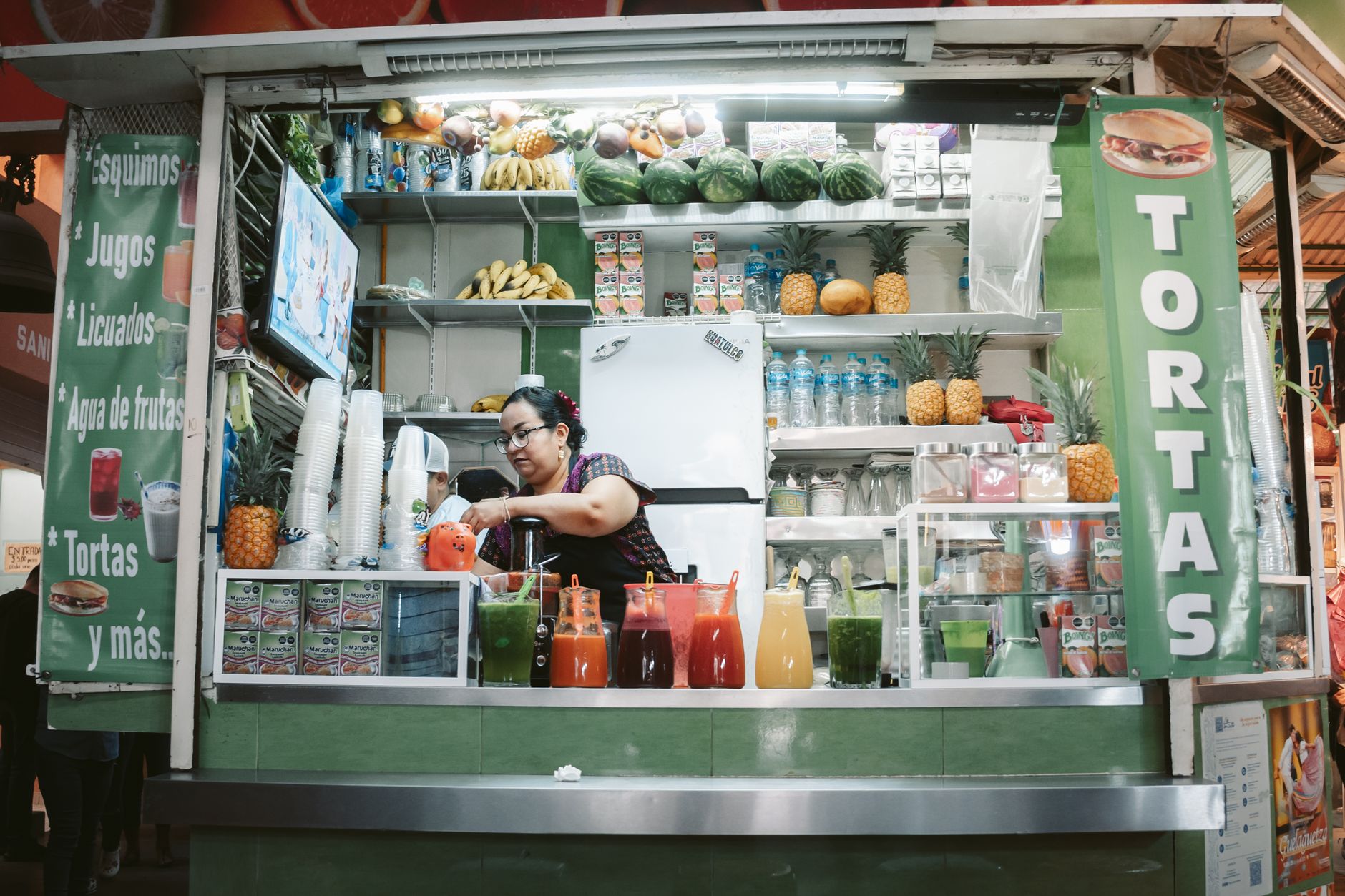
Photo by Miguel González
Lunch is where Oaxaca starts flexing. Go market-side for memelas, tasajo, and mole, or sit down for a proper midday meal when you want something slower. Keep an eye out for a traditional tlayuda, refreshing tejate, or sopa de guias when it is available. If the afternoon is hot, make sure to grab some local ices.
Dinner is where you can sharpen the trip. One refined meal matters here. So does one casual one. The balance is the move. A city this strong on flavor does not need every dinner to feel ceremonial.
Nightlife in Oaxaca is less about clubs and more about mood. Think of cozy bars serving craft mezcal, quiet rooftops, plaza music, and intimate rooms. The Zocalo often has street performers or live bands nearby, and the whole area feels alive without getting chaotic. Because the region is famous for its agave spirits, sipping a complex mezcal while people-watching is a quintessential experience.
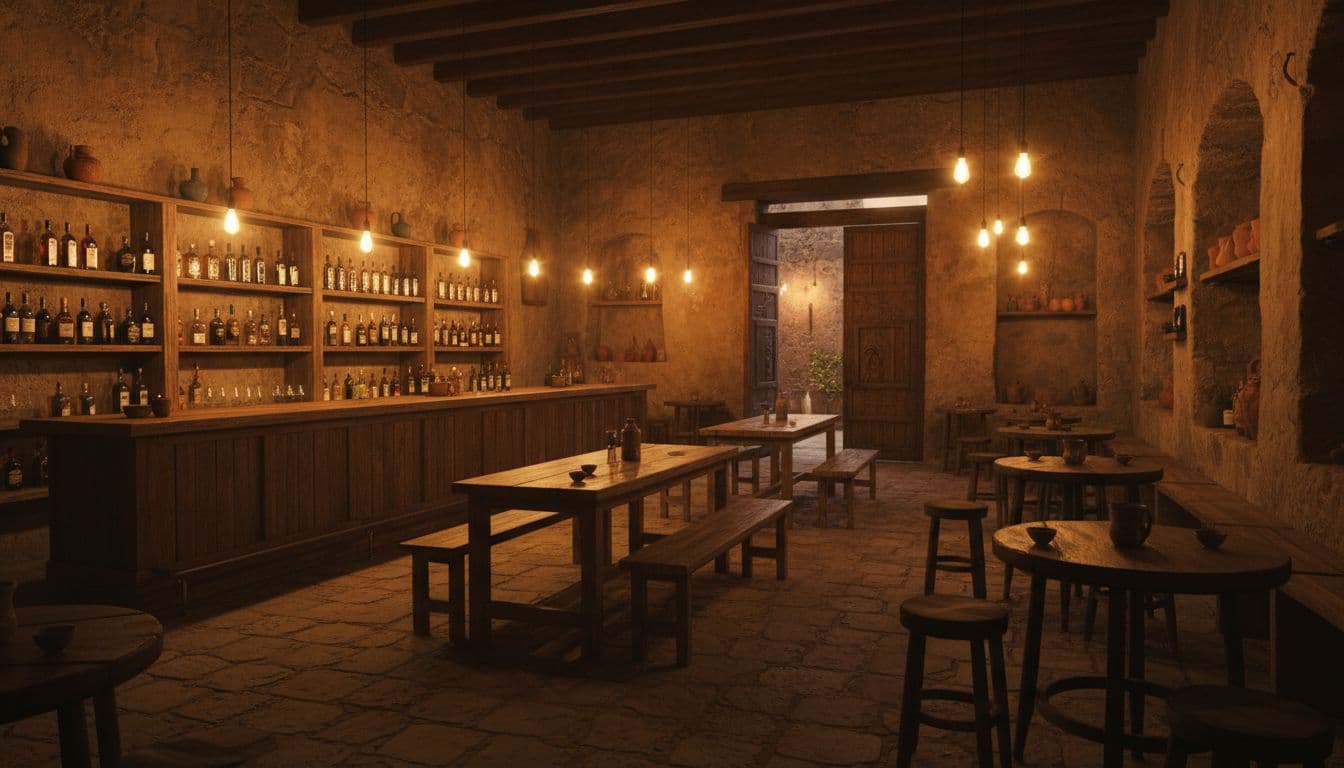
If you are into music, adjust expectations in the right direction. Oaxaca is not a giant concert city. It is better than that for certain travelers. It gives you smaller sets, cultural nights, roaming musicians, and the kind of bars where one strong playlist or one live trio can carry the room. You should also check the local listings for a Lucha Libre match, which offers an energetic and unique way to spend an evening. For extra evening ideas, this list of cool and unusual things to do in Oaxaca is handy, especially if your dates line up with local arts programming.
A good night here does not need ten stops. Two is plenty. Start with a drink, end with music, and walk home through the center.
Best add-ons for a 4 or 5-day trip
If you have extra time, don’t rush to add more distance. Add more texture.
A fourth day is perfect for whatever you skipped on day three. If you chose Hierve el Agua first, use the extra day for a visit to Teotitlan del Valle, Mitla, Tule, and a local palenque. If you did the village circuit first, then give yourself a scenic day to explore the natural beauty of the region.
A fifth day is best when it stays mostly in the city. Book a cooking class, spend more time in Jalatlaco, or wander the quiet streets of Xochimilco if you want a neighborhood feel away from the crowds of the Centro Historico. Alternatively, if you want to escape the valley, consider a trip to the cool forests of the Sierra Juarez or the misty mountains of San Jose del Pacifico for a change of pace. Revisit a restaurant you cannot stop thinking about; that is usually a sign you have found a favorite.
This is also the point where a custom Oaxaca itinerary can get more personal. Food-first travelers can build the day around specialized tastings and classes. Design-minded travelers might spend it visiting artisan workshops to watch the intricate painting and carving of alebrijes. Music-minded travelers should keep the evening open and make the day lighter to enjoy the local nightlife.
For those lucky enough to have 7 or more days, you might consider a day trip or a short flight to the coast. Visiting Puerto Escondido, Mazunte, or Zipolite offers a refreshing contrast to the mountains, providing a perfect beach escape to round out your travels.
For a broad snapshot of current tours, opening ideas, and popular excursions, the Oaxaca attractions page can help you sanity-check what is available before you lock things in.
More time in Oaxaca should not make the trip busier. It should make it better.
Oaxaca planning tips that save the trip
Most bad Oaxaca City itineraries fail for one reason: they try to win on volume.
Keep these rules in play:
- Plan one major outing per day, not three.
- Carry cash for markets, drivers, and smaller bars.
- Book your best dinners ahead, especially in busy seasons.
- Start long day trips early, then keep the evening loose.
- Check access for popular sites like Hierve el Agua before you leave town, as local conditions can change.
Also, don’t front-load every meal. Oaxaca rewards hunger. A big breakfast can get in the way of the exact market stall you will wish you had room for two hours later.
If nightlife matters, stay in the Centro Historico. The walk home is part of the experience here. So is the option to change your mind at 10:30 p.m. and have one more drink.
A great Oaxaca itinerary feels edited, not packed.
That is the difference between a trip you remember and one that blurs together by Monday.
Frequently Asked Questions
How many days are ideal for an Oaxaca City trip?
Three to four full days is the sweet spot for most travelers. This timeframe allows you to cover the essential sights, such as the Centro Historico and Monte Alban, while still having enough breathing room for market visits and leisurely evenings.
Do I need a rental car to see the sights?
Generally, no. For day trips to sites like Mitla or Hierve el Agua, it is often more convenient to hire a private driver or join a reputable small-group tour. Within the city, everything is highly walkable, and taxis are readily available for shorter hops.
Is it necessary to make dining reservations?
For high-end or popular restaurants, yes, especially if you are traveling during peak seasons like Day of the Dead or Guelaguetza. However, the best market food and casual spots operate on a first-come, first-served basis, allowing for a more flexible eating schedule.
When is the best time of year to visit?
Most travelers prefer the dry season for the most predictable weather and easy access to outdoor sites. Festivals like Day of the Dead offer an unforgettable cultural experience but require advanced planning due to higher prices and larger crowds.
Final thoughts
Oaxaca City gives back when you stop trying to conquer it. Build your days around pace, not pressure, and the city starts to make sense.
One ruins morning, one standout day trip, a few market meals, a neighborhood walk at sunset, and nights that leave room for mezcal or music, that is usually enough. Ultimately, the heart of the experience lies in the balance between the vibrant local mezcal culture and the deep, enduring roots of indigenous culture that define the spirit of this region.