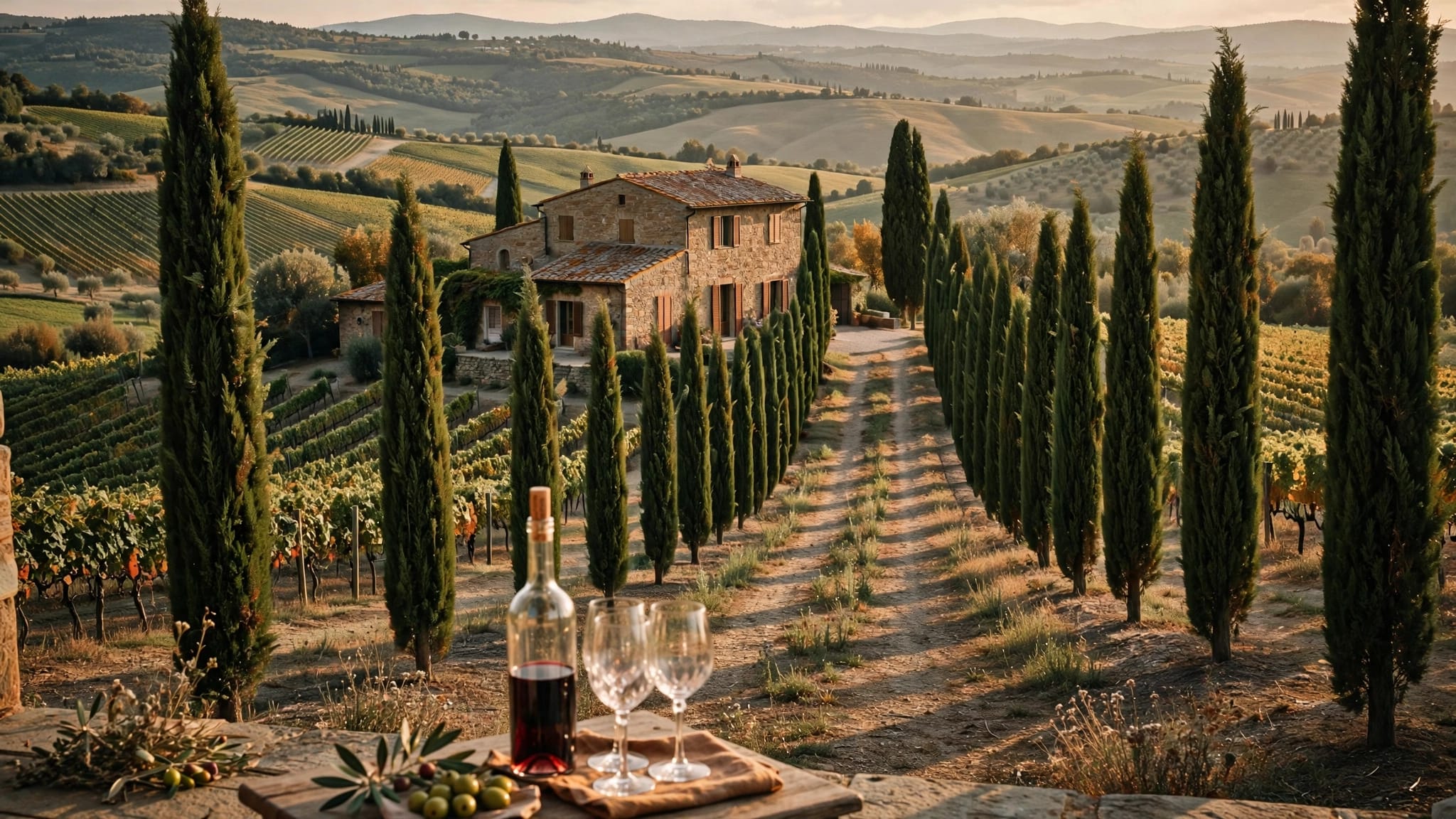
I’d give a luxury Tuscany itinerary ten days and nine nights, split between Florence, Chianti, and the southern wine country. That leaves room for Renaissance art, private tastings, and a countryside stay you have time to enjoy.
The right villa should buy you privacy and breathing room, without making every dinner a complicated transfer. I build the route around those practical details first, then add the experiences that make it yours.
Key Takeaways
Spend three nights in Florence, three in Chianti, and three near Montalcino or Pienza. Use private drivers for tasting days, reserve Florence’s major sights ahead, and leave at least one countryside afternoon unscheduled.
For seven days, reduce the trip to two bases. For fourteen, add depth before adding destinations.
How I’d Pace a Luxury Tuscany Itinerary
This ten-day Tuscany road trip moves south, with departure on day ten.
| Days | Base | Main Priorities |
|---|---|---|
| 1 to 3 | Florence, three nights | Art, walkable dinners, one music evening |
| 4 to 6 | Chianti, three nights | Wine, Siena, San Gimignano |
| 7 to 10 | Val d’Orcia, three nights | Hilltop towns, Brunello, villa time |
These are regions rather than mandatory hotel categories. Couples may prefer serviced estate accommodation; a group may want an exclusive-use villa.
With seven days, I’d keep Florence and one countryside base near Siena. Trying to retain all three regions would sacrifice too much time to packing.
For fourteen days, extend the countryside stays and add either Lucca or Arezzo according to your interests. You don’t need a new hotel for every town.
Days 1 to 3: Florence, With Room for the Evenings
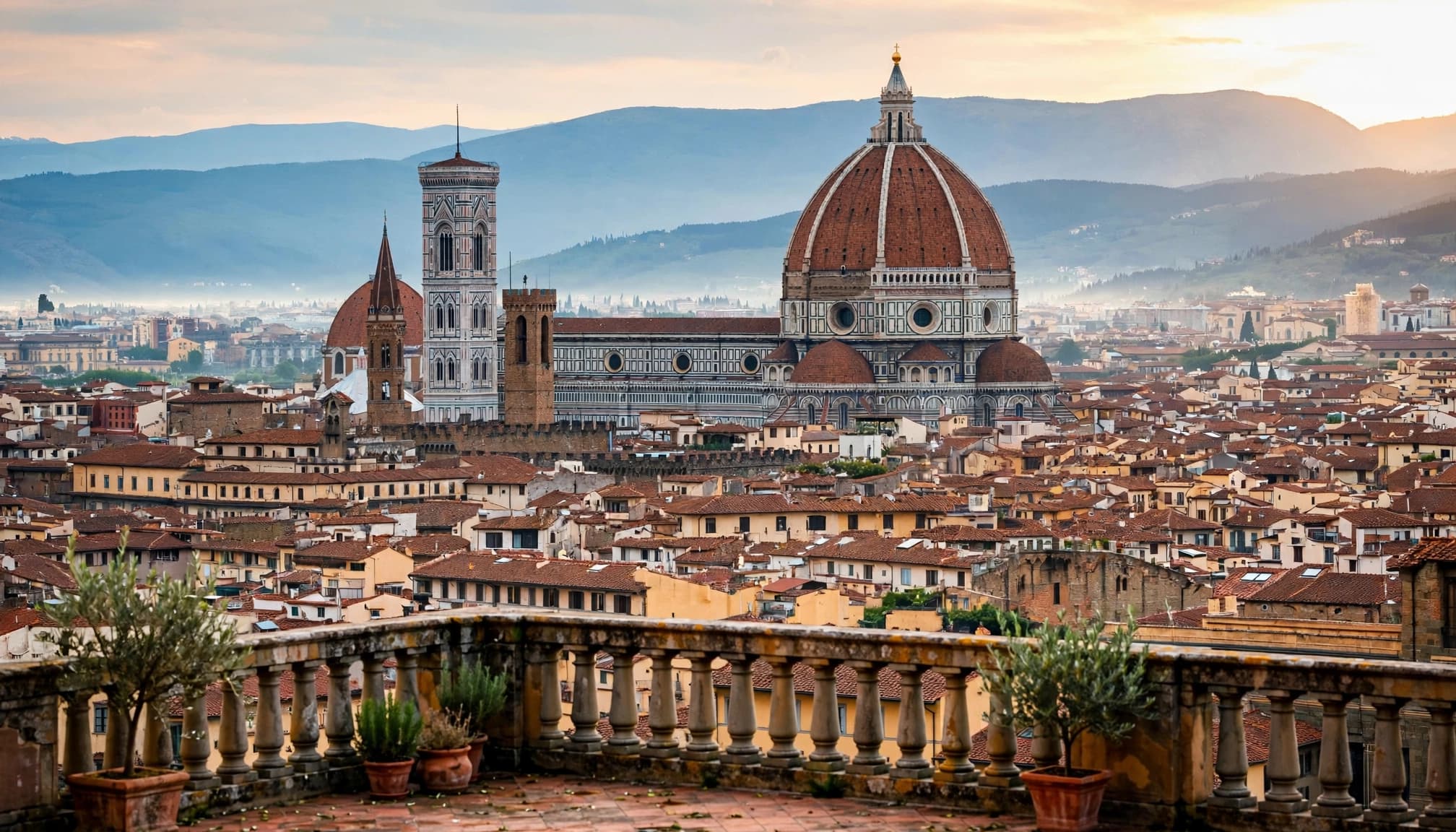
Day 1: Settle Into the Right Neighborhood
Choose Hotel Lungarno for a riverside position near Oltrarno, or Four Seasons Hotel Firenze for a more secluded, garden-centered stay. My guide to where to stay in Florence compares the neighborhoods through the lens of your evenings.
Keep arrival day light: lunch, a walk, and time to reset. For an occasion dinner, Il Palagio’s Tuscan tasting menus make sense when you’re staying at the Four Seasons. Avoid crossing the city again afterward.
Days 2 and 3: Reserve Art, Then Leave Space
Book a private guide and reserved entry through the official Uffizi Galleries website. The collection welcomed visitors by 1591, although its formal public opening came in 1769. Lines form early.
Give the Accademia a separate morning. Michelangelo’s David moved there from Piazza della Signoria in 1873.
The Duomo climb has 463 steps. Reserve through the official cathedral ticket office and allow roughly an hour for the visit. The dome itself was finished in 1436; its lantern was completed in 1461, fifteen years after Brunelleschi’s death.
Then keep the afternoon loose. If music matters to you, build one evening around Sala Vanni’s concert programming, with dinner nearby rather than across Florence.
Days 4 to 6: Chianti Wine and Medieval Towns
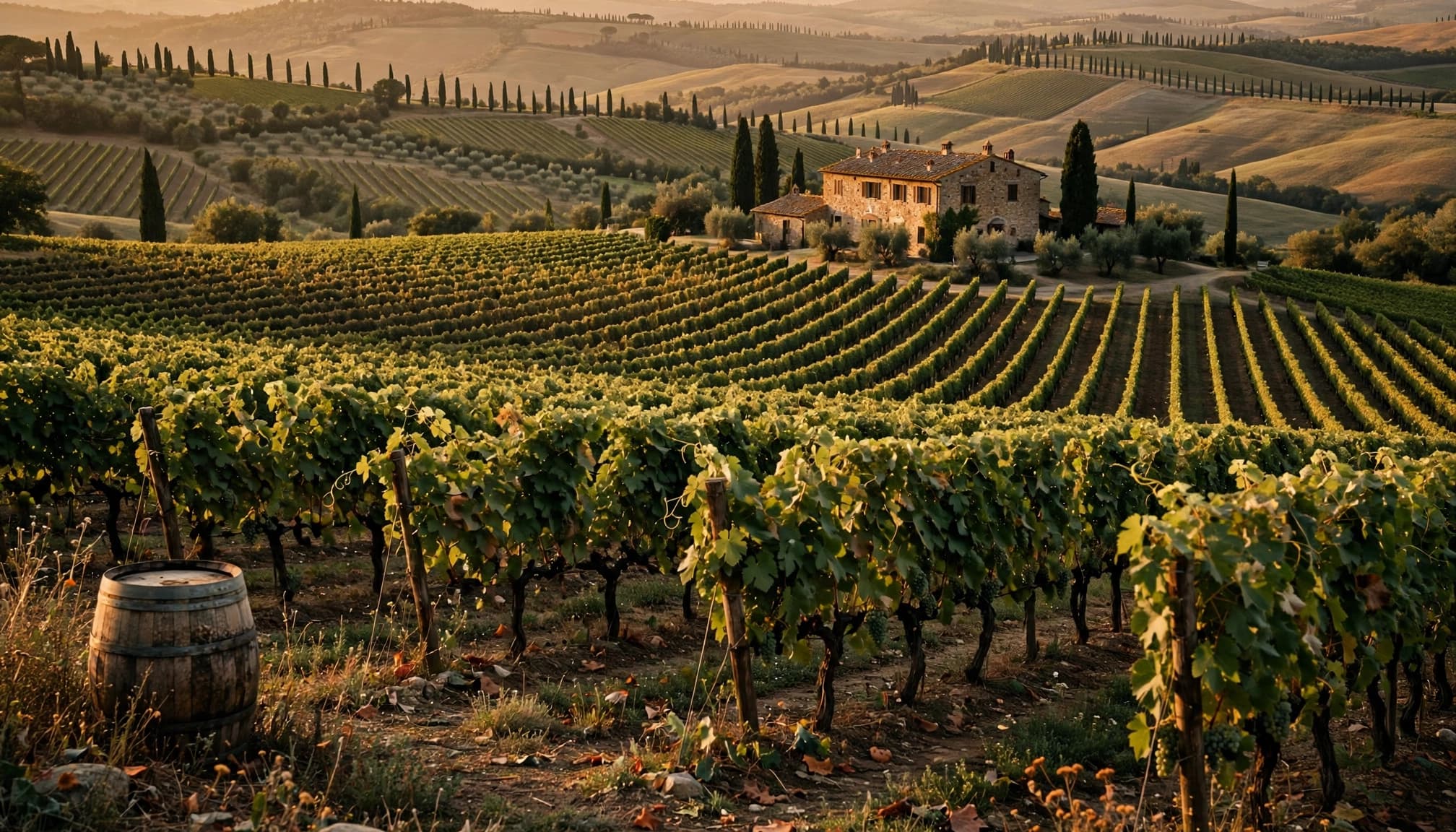
Day 4: Arrive Through the Vineyards
Florence to Greve in Chianti is roughly 28 kilometers and 44 minutes by car, before traffic or estate access roads.
Villa Bordoni near Greve suits travelers who want villa atmosphere with hotel service. It’s a villa hotel, rather than an exclusive-use rental.
Arrange a driver for a focused wine tasting and cellar tour at Castello di Verrazzano, with Chianti Classico at the center. One substantial winery visit gives the wines more attention than a procession of tasting counters.
Keep Panzano for a separate meal or a second, shorter outing.
Days 5 and 6: Siena and San Gimignano
Give Siena its own day, allowing around 90 minutes each way from the Greve area. Start with Piazza del Campo, then explore the cathedral and Palazzo Pubblico with a private guide. Reserve lunch at La Taverna di San Giuseppe, whose brick-and-stone dining room suits a slower regional meal.
The Palio di Siena runs on July 2 and August 16. Ten of Siena’s seventeen contrade race three laps around Piazza del Campo for the Drappellone banner. For private balcony or grandstand viewing, begin arrangements many months ahead.
Visit San Gimignano the following morning. Fourteen medieval towers survive from an original seventy-two. Use the official San Gimignano museum pass if you want museum and cathedral access, then return to your estate rather than adding another town.
Choose the Villa Around Your Actual Days
Exclusive Use or a Serviced Estate
An exclusive-use luxury villa works well for families and friends who want shared meals alongside personal space. However, a beautiful rental can require separate arrangements for cooking, housekeeping, and evening transport.
I would prioritize bedroom privacy, shaded outdoor dining, pool access, and the distance to your planned restaurants. A remote address becomes less appealing when every evening requires a long drive.
Before paying for seclusion, decide how often you want to leave it. Dinner transport belongs in the accommodation decision.
For couples, a serviced estate can offer a better balance of quiet and spontaneity.
Two Estate Alternatives Worth Considering
Borgo Pignano, in the Volterra hills, has a roughly 750-acre estate and fourteen rooms and suites in its eighteenth-century main villa. It suits a property-centered stay, with a private half-day visit to Volterra in place of some Chianti outings.
Belmond Castello di Casole has tenth-century roots, thirty-nine suites, and two signature villas. Belmond’s estate descriptions vary between 3,200 and 4,200 acres, so acreage shouldn’t determine the choice.
Use either as an alternative countryside base, rather than adding another checkout to this route.
Days 7 to 10: Val d’Orcia at a Slower Pace
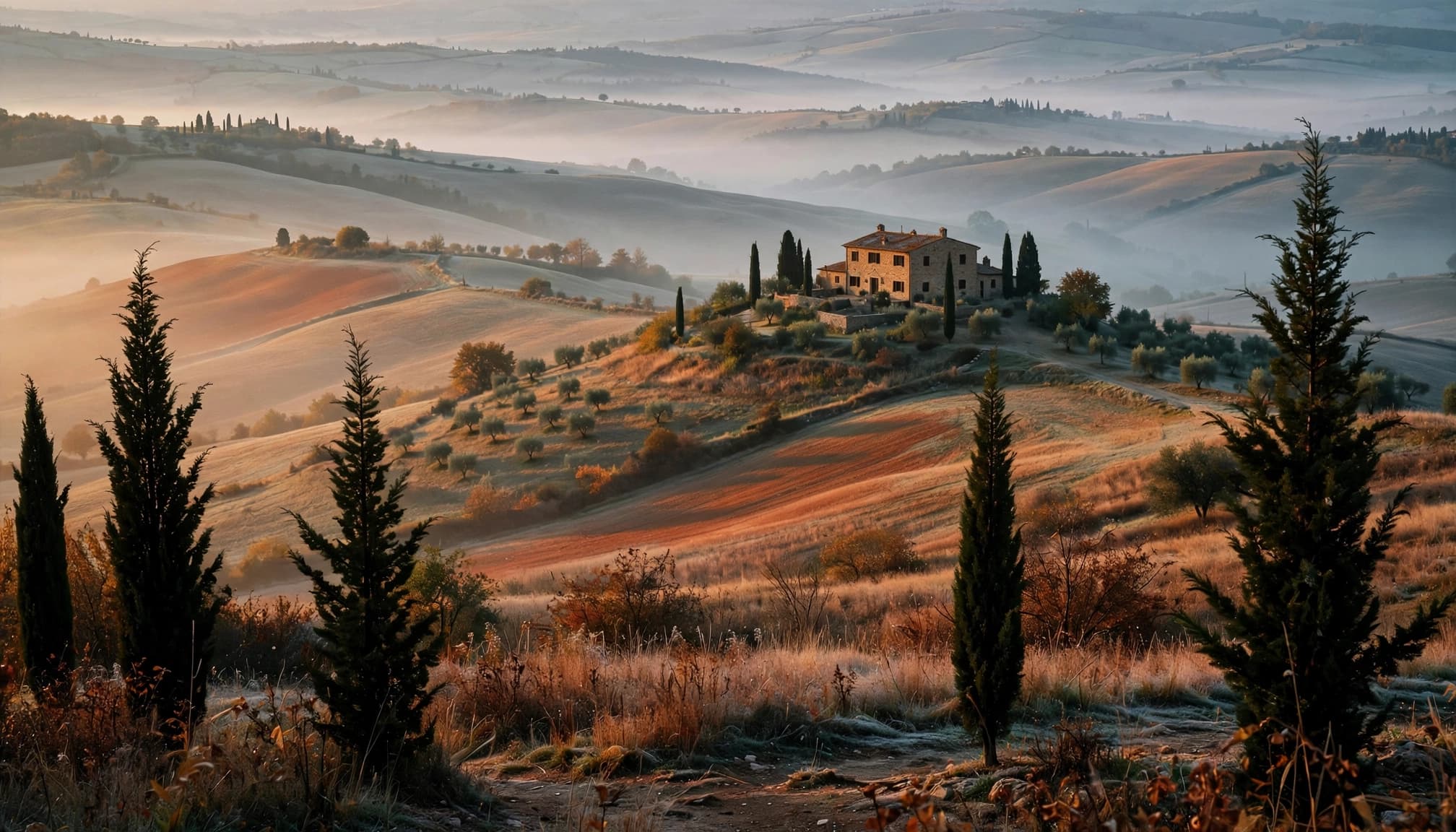
Days 7 and 8: Pienza, Montalcino, and Brunello
Allow roughly two hours between the Greve area and Pienza, depending on your property. Have lunch en route, then settle in.
The Val d’Orcia’s five municipalities anchor a UNESCO World Heritage landscape. Prioritize Pienza, San Quirico d’Orcia, and Montalcino rather than treating every hilltop as compulsory.
For a serviced southern base, Castello di Velona’s castle resort combines accommodation, a thermal spa, and a winery near Montalcino.
Give day eight to a chauffeured Brunello di Montalcino outing. Villa Le Prata’s winery is a focused choice near Montalcino. Keep the afternoon free instead of stacking another formal tasting.
Days 9 and 10: Follow Your Appetite, Then Depart
Choose your final full day around food. Montepulciano offers a different wine identity, Vino Nobile, with a cellar-and-lunch option at Gattavecchi Winery.
For an autumn-focused stay, Villa Poggiano’s countryside accommodation includes access to truffle hunting and wine tours. White-truffle experiences generally center on October through December, with trained dogs leading hunts on private estates.
Keep a weather alternative, such as a cooking class or cellar visit. Then make day ten breakfast and departure, with no ambitious excursion before the airport.
Transport and Budget: Spend Where It Changes the Trip
Protect Your Tasting Days
Collect a rental car outside central Florence after your city stay. Historic centers have restricted-access ZTL zones, so countryside parking and final approaches need deliberate routing.
For reference, Siena to Florence is about 73 kilometers and 1 hour 5 minutes in favorable conditions. That isn’t an airport-transfer guarantee.
Without a car, use private transfers between bases and dedicated drivers for excursions. From your southern base, prebook a driver for a Montepulciano outing. Rural taxis are a poor foundation for late dinners. Arrange the return journey when reserving the table.
Set a Complete Land Budget
For this luxury Tuscany itinerary, I’d begin with a €15,000 to €25,000 planning allowance per couple for nine nights, excluding flights and an exclusive-use villa buyout. This is a budget framework, not a quoted package.
Accommodation category, private driving, and dining ambition will move that allowance most. Price the whole stay: staffing, pool heating, groceries, chef service, and cleaning may sit outside a villa’s headline rate.
My approach to custom luxury travel planning brings those decisions into one coordinated schedule. I’d protect reliable transport and excellent guiding before paying for additional room size.
Frequently Asked Questions
Which Months Offer the Best Balance?
For travelers weighing the best time to visit Tuscany, April through June and September through October offer the strongest overall balance. July and August bring peak heat and crowds.
I’d favor May for outdoor lunches or October for truffles. September suits wine-focused travel, although harvest doesn’t automatically mean greater winery availability.
What Is the Prettiest Town to Prioritize?
Pienza is my choice for this route because its Renaissance center pairs naturally with Val d’Orcia’s scenery. San Gimignano offers the more dramatic medieval skyline.
Give either town enough time for a proper meal. A hurried photograph between transfers won’t capture what makes it appealing.
What Would You Add With Fourteen Days?
Choose Lucca for relaxed walking and cycling along its sixteenth-century walls. Known for its ninety-nine churches, it includes the Duomo di San Martino.
Choose Arezzo for Piero della Francesca’s Legend of the True Cross fresco cycle in the Basilica of San Francesco. Cortona also fits an eastern extension, but I’d avoid adding all three.
Give Tuscany Time to Feel Like Yours
A strong route gives Florence its evenings and the countryside its unhurried afternoons. Three thoughtful bases create variety without making hotel changes the defining experience.
Start with the villa atmosphere, meals, and experiences you care about most. Then start planning your custom trip around the timing that lets you enjoy them.